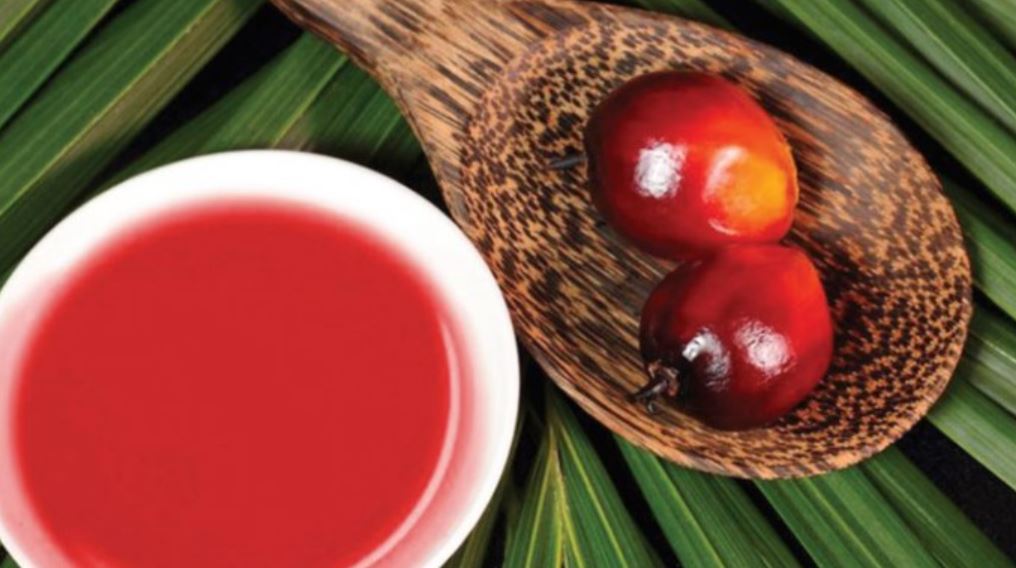
Palm oil is often seen controversial when it comes to its nutritional content. Many people think of red palm oil as having low nutritional content and providing only a few health benefits. However, many studies have shown otherwise. In fact, the red palm oil (RPO) is widely known as one of the world’s richest natural sources of carotenoids.
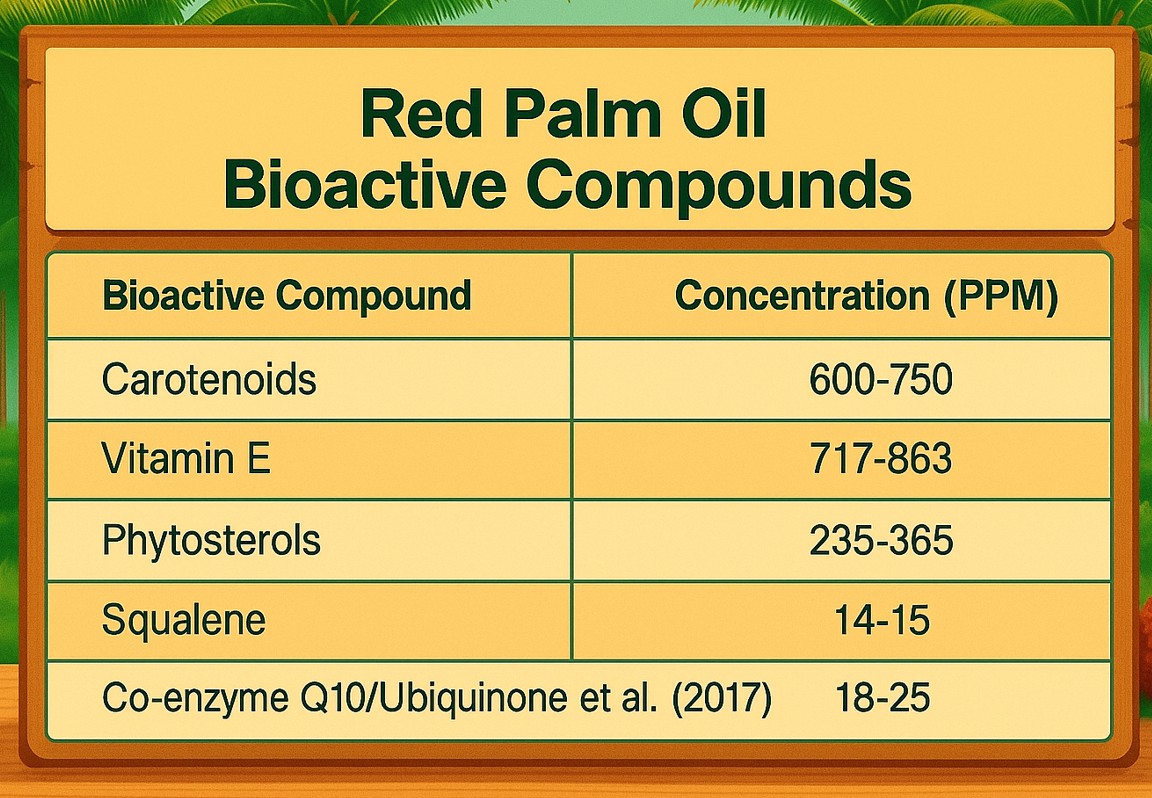
The yellowish-red color of Crude Palm Oil (CPO) indicates high levels of carotenoids and important compounds, which function as precursors to vitamin A. The red palm oil also contains a variety of highly valuable bioactive components, such as vitamin E (tocopherols and tocotrienols), phytosterols, squalene, and co-enzyme Q10, which all play a vital role in maintaining human health.
Having such composition, the red palm oil is proven to have numerous health benefits, including:
- Preventing cancer and heart disease
- Lowering cholesterol and blood pressure
- Maintaining body metabolism, including in people with diabetes
- Protecting cells from damage and inflammation
- Maintaining immunity and brain health
- Supporting reproductive health
The carotene content of red palm oil can be processed into natural vitamin A. Several studies have even concluded that this oil can be effectively used to prevent stunting through food fortification and health supplement products (Scrimshow, 2000; Hasibuan & Siahaan, 2014).
Knowing such bioactive compounds and benefits should be enough for any people to debunk the old myth that red palm oil is not nutritious. On the contrary, red palm oil is a treasure of natural nutrition from tropical Indonesia. (*)
- Alyas, R., Kamarudin, S., & Idris, N. A. (2006). Effect of processing on the carotenoid content of red palm oil. Journal of Oil Palm Research.
- Ayustaningwarno, F. (2012). Teknologi Pengolahan Minyak Sawit Merah untuk Pangan. Jurnal Gizi dan Pangan.
- Hasibuan, R., Siahaan, D., & Lubis, H. (2021). Red Palm Oil: Potensi dan Teknologi Pengolahannya. Jurnal Aplikasi Teknologi Pangan.
- Tay, A., Singh, R., Krishnan, S., & Choo, Y. M. (2000). Red palm oil — Health benefits and applications. Food and Nutrition Bulletin, 21(2).
- Loganathan, R., Selvaduray, K. R., Radhakrishnan, A. K., & Nesaretnam, K. (2017). Palm oil carotenoids and their potential role in human health. International Journal of Molecular Sciences, 18(1), 1–16.
- PASPI Monitor. (2021). Sawit Merah dan Fortifikasi Pangan untuk Cegah Stunting. Palm Oil Agribusiness Strategic Policy Institute (PASPI).