JAKARTA – PT Perusahaan Gas Negara Tbk (PGN), a natural gas subholding of the state-owned oil-gas company Pertamina Group, is accelerating the steps toward clean energy by developing an injection point of biomethane in Pagardewa region of South Sumatra province.
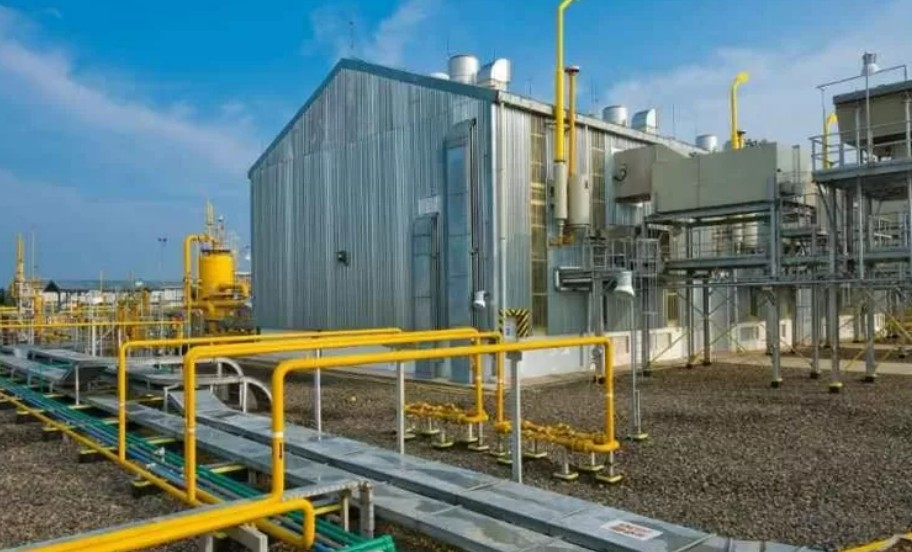
The facility is part of the national big project in utilizing wastes from palm oil mills to produce renewable energy. The injection point functions as the location for injecting biomethane inside the natural gas network owned by the state-owned PT PGN. After being injected, the renewable gas can be used like natural gas to meet the needs of households, industries, transportation, and commercial sector.
PGN President Director Arief Kurnia Risdianto said the project utilizes the palm oil mill effluent (POME), the liquid waste from plam oil mills, as raw material to produce biomethane or renewable natural gas (RNG). “This renewable natural gas will be later channeled to existing network of PGN in Sumatera region,” he said.
“Through the biomethane project, PGN has opened an opportunity to earn new income, while increasing contribution to the implementation of national energy transition and realization of our company’s sustainability target,” Arief said in a written statement on Saturday (8/11/2025).
The facility in Pagardewa is not only equipped with the system of pressure reducing system (PRS), but also designed to be able to store other alternative sources of gas supply, such as coalbed methane (CBM) and stranded gas.
Arief said PGN has set a target of biomethane supply at around 1.2 BBTUD, with big potential from wastes of palm oil mills in South Sumatra, which has a total areas of oil palm plantations at 1.4 million hectares.
More than just energy project, the initiative is also expected to become an ecofriendly solution to the organic waste problem.
Based on estimation, the PGN’s biomethane program can reduce greenhouse gas (GHG) emission up to 204,867 tons of CO₂e per year from the process of methane capture and 29,688 tons CO₂e per year from conversion of oil fuels.
“Sumatera island has thousands of palm oil mills. Having infrastructure of natural gas that is already developed, PGN has a strategic position to develop biomethane as the future source of renewable energy,” said Arief. (*)
Sawitku.id. https://www.sawitku.id/ekbis/81416226832/pgn-kembangkan-biomethane-dari-limbah-pabrik-sawit-kurangi-emisi-200-ribu-ton-co%E2%82%82-per-tahun. PGN Kembangkan Biomethane dari Limbah Pabrik Sawit, Kurangi Emisi 200 Ribu Ton CO₂ per Tahun. 10 November 2025