Amid criticism that the palm oil industry cannot support efforts of reducing carbon emissions, biodiesel based on palm oil has emerged as a “green crush” that has been quietly moving Indonesia closer to its global climate targets. Recent data shows that the biodiesel is a clean energy hero, playing a significant role in reducing greenhouse gas (GHG) emissions, particularly in the energy and transportation sectors.
The palm oil-based biodiesel is used to replace fossil diesel fuel, which is one of the largest contributors to carbon emissions in Indonesia. It has contributed a significant advantage due to the fact that it is cleaner, non-toxic, renewable, more sustainable and globally acceptable. (Zahan et al., 2018).
The results are real. Since the implementation of the mandatory biodiesel program, the reduction of emissions has been surging. In 2010, Indonesia only managed to reduce around 592,300 tons of CO₂ equivalent. However, by 2020, the reduction had skyrocketed to 22.3 million tons of CO₂ equivalent, an increase of 400 percent within just one decade. The reduction is not only substantial but also strategic in fulfilling Indonesia’s commitment under the Paris Agreement.
In its Nationally Determined Contribution (NDC) document, Indonesia targets a 29% emission reduction independently and 41% with international support by 2030. For the energy and transportation sectors, the 2020 reduction target was set at 0.038 Gigatons of CO₂ equivalent. Through B30, Indonesia had been able to meet up to 59% of this target, an achievement that further underscores the undeniable role of palm oil-based biodiesel in the green energy transition.
The palm oil industry has transformed from being considered a “source of environmental problems” to a vital part of the solution. By replacing emission-intensive fossil diesel fuel, the palm oil-based biodiesel has consistently helped reduce national emissions and strengthen Indonesia’s position at global level to curb climate change.
The future of green energy from palm oil is increasingly enticing. Indonesia has been developing green fuels such as green diesel, green gasoline, and green aviation fuel (avtur), which are more environmentally friendly.
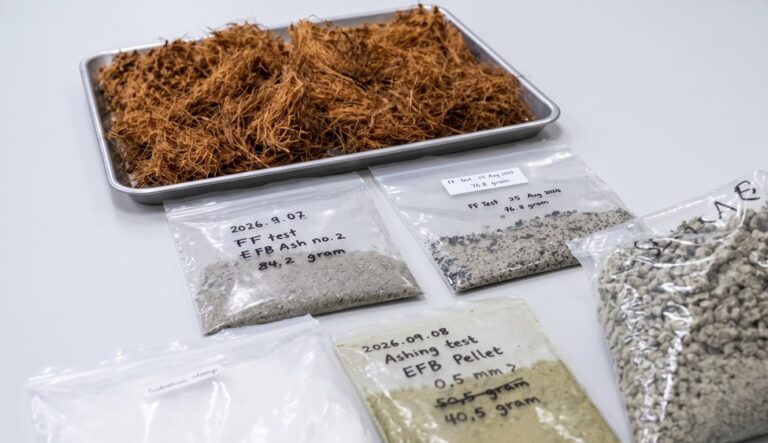
In addition to that, second-generation bioenergy from biomass and third-generation bioenergy based on POME (Palm Oil Mill Effluent) are also considered to have great potential as sustainable energy sources.
With these advantages and innovations, the palm biodiesel has now become more than just an alternative fuel. It is the “silent achiever”, which has been silently working to help Indonesia in achieving its NDC targets and strengthening its position as a key player in the global agenda of green energy. (*)
Zahan, K. A., et al. (2018). Prospects of biodiesel production from palm oil.Kementerian ESDM (2020–2023). Laporan Implementasi Mandatori B30 dan Pengurangan Emisi GRK. BPDPKS (2021–2023). Outlook Industri Sawit dan Kontribusi Biodiesel terhadap Pengurangan Emisi. UNFCCC (2020). Indonesia Nationally Determined Contribution (NDC). Kementerian Lingkungan Hidup dan Kehutanan (KLHK). Inventarisasi GRK Nasional.