DEPOK – Indonesia’s palm oil industry is seen to have been playing an increasingly bigger role in implementing the national program of energy transition toward green and clean energy in the future. Previously, it had been used as raw material to produce biofuel and now it is projected to become the main raw material to produce bioavture or sustainable aviation fuel (SAF) with a view to reducing carbon emissions in the global aviation sector.
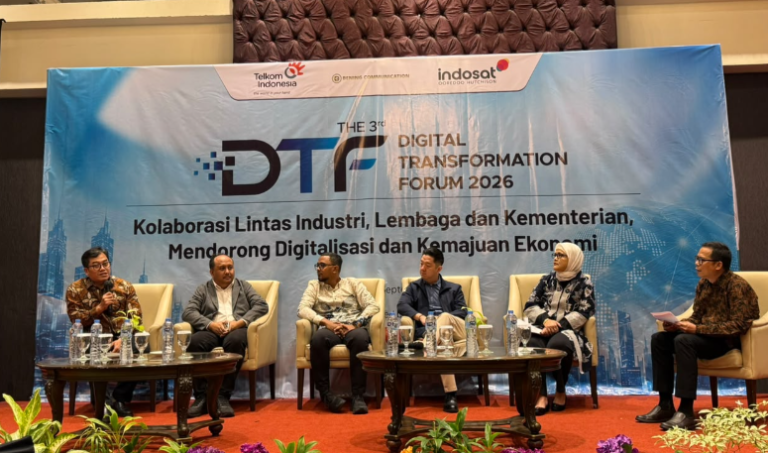
The growingly important role of palm oil in energy transition was revealed during the 2026 journalist workshop, which was organized by Majalah Sawit Indonesia with the support of the Plantation Fund Management Board (BPDP).
Themed with “Biodiesel Program Support for Energy Self-Sufficiency and Economy of Indonesia”, the workshop was held in Depok, West Java on Thursday (05/02/2026).
The Head of Research and Policy Advocacy Sub-division at the Institute for Palm Oil Studies (IPOSS), Dimas H. Pamungkas said that the use of palm oil-based sustainable aviation fuel (SAF) stands as a big opportunity for Indonesia to accelerate the process of decarbonization in the aviation sector and strengthen Indonesian position as the global major producer of biofuel.
He said that sustainable biofuel like the SAF can contribute up to 65% of total reduction of carbon emissions in the global aviation industry.
“The global demand for SAF will grow very robustly. Globally, it is projected to reach 515 million tons in 2050. It will gradually replace the fossil fuel-based avtur,” said Dimas.
According to him, the surging need will automatically push up demand for palm oil as feedstock in the green energy industry, which meets the sustainability standard of CORSIA-ICAO. Indonesia is seen to have an advantage because of its position as the world’s largest producer of palm oil that ensures the abundant availability of palm wastes supply to feed the bioavture industry.
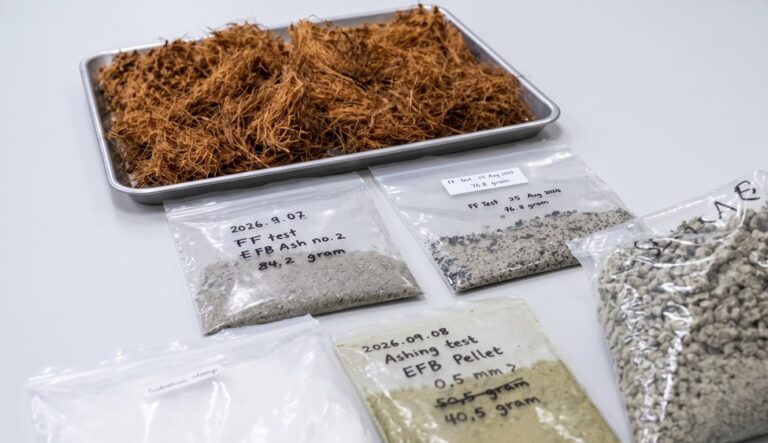
Among the wastes potential for energy raw materials are palm oil mill effluent (POME), a liquid waste from palm oil mills, which is not yet used optimally until now.
The International Civil Aviation Organization (ICAO) has included the POME into the list of positive and acceptable raw materials of SAF.
“The CPO can only reduce carbon emissions at around 15%, but POME can be up to 70%. So, in terms of carbon emissions, POME is far more efficient,” he said.
He urged Indonesia to start applying the mandatory blending program of SAF at the minimum of 5.0% since 2027. “It’s crucial considering that domestic consumption of avtur reaches 4-5 million kiloliters per year,” he said. (*)
Dari Biodiesel hingga SAF: Sawit jadi tulang punggung transisi energi. Sawit Indonesia. https://sawitindonesia.com/dari-biodiesel-hingga-saf-sawit-jadi-tulang-punggung-transisi-energi/