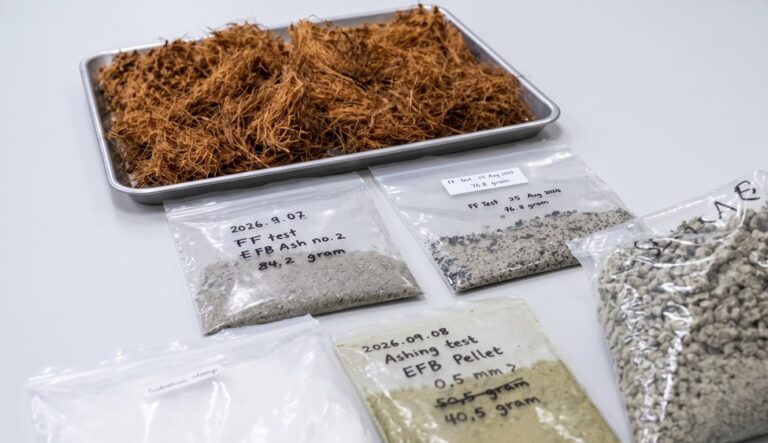
JAKARTA – Boiler ash waste from the palm oil industry is now gaining traction as a source of advanced materials for the development of future energy technologies. Previously, it was considered just a low-value combustion residue, which was seen as having no potential economic value.
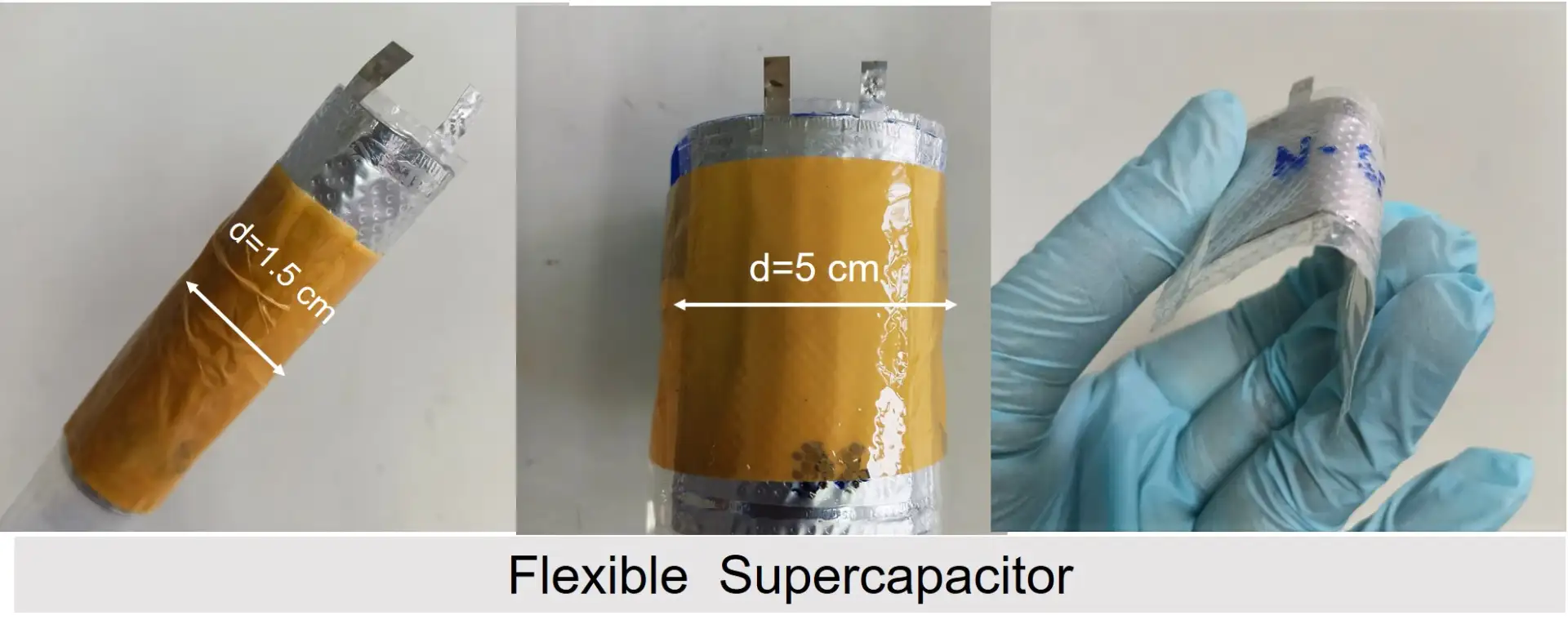
The National Research and Innovation Agency (BRIN) is exploring the potential of nanosilica extracted from the waste of palm oil boiler ash to support the development of flexible energy storage systems, including for wearable electronic devices of next-generation.
Based on BRIN’s report, as quoted by InfoSAWIT on Sunday (10/05/2026), the boiler ash waste from the palm oil industry, which reaches millions of tons annually, remains an environmental challenge due to its suboptimal utilization. The waste contains 50–65 percent silica (SiO₂), a crucial raw material that can be processed into nanosilica—an ultra-small material measuring approximately 8–10 nanometers with superior physical and chemical characteristics.
Nanosilica materials are known for their high surface area, engineerable pore structure, and ease of chemical modification, making them strategic components in a variety of industrial applications, from cosmetics and biomedicine to construction and electronics to high-tech energy systems.
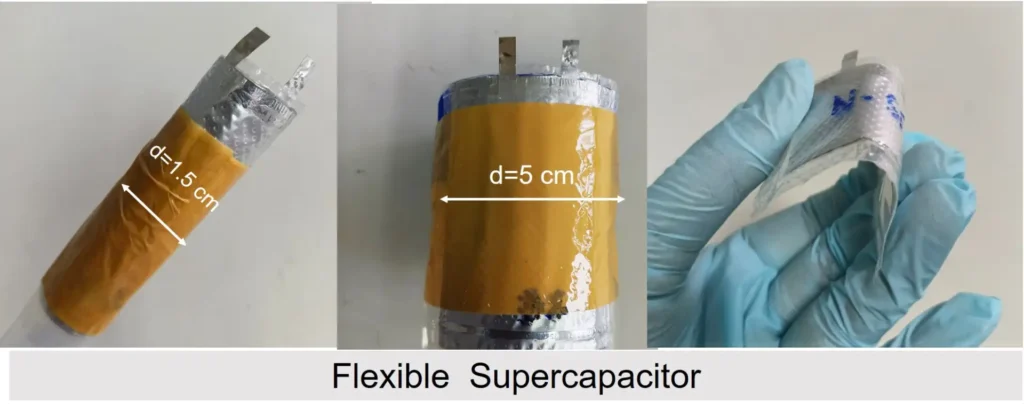
Researcher at BRIN’s Electronics Research Center, Rike Yudianti, explained that her team is currently developing flexible supercapacitors—energy storage devices that can bend to follow the movements of the human body—to meet the growing needs of wearable electronic devices.
According to Rike, one of the main challenges in developing flexible supercapacitors is the use of liquid electrolytes, which are considered as having many weaknesses, ranging from the risk of leakage, evaporation, to decreased electrochemical stability when the device undergoes repeated folding, especially at high temperatures and for long-term use.
Therefore, BRIN is now directing its research towards the development of solid electrolytes as a more stable, safe, and adaptive solution for flexible electronic devices.
In this system, nanosilica from palm oil waste plays a crucial role. The silanol (–Si–OH) groups in nanosilica can improve contact between the electrolyte and electrodes, improve molecular dissociation in the electrolyte system, and accelerate ion transfer—three key factors in improving energy storage performance.
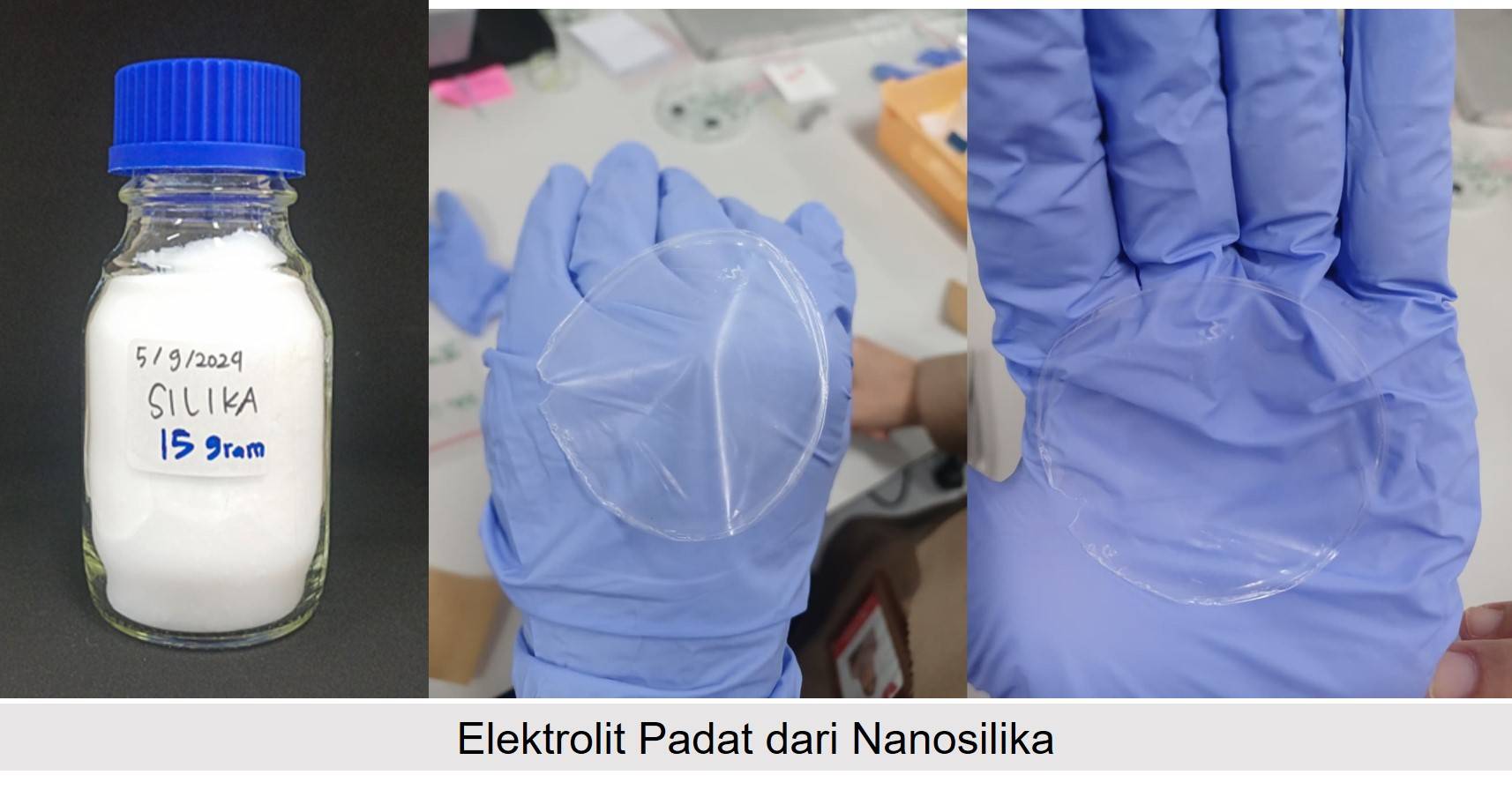
“Developing solid electrolytes for flexible supercapacitors is both interesting and challenging, because not only the electrolyte material must be stable, but also the interactions at the interface between the electrolyte and electrodes,” said Rike.
He added that the research team has now succeeded in maintaining the electrochemical stability of the system during operation, a significant achievement in the development of flexible energy storage technology.
According to BRIN, the research was conducted under a collaboration with a private university in Indonesia and academic partners in Japan. In addition to designing solid electrolyte materials, BRIN also developed a device assembly strategy to maintain optimal supercapacitor performance even under flexible and dynamic conditions.
This development opens up new perspectives that palm oil waste is not only valuable as biomass or fertilizer, but can also be used as a raw material for high-tech materials for future industries.
If successfully developed commercially, nanosilica based on palm oil boiler ash waste has the potential to become a real example of how the Indonesian palm oil industry not only produces food and energy commodities but also supplies strategic materials for the storage technology ecosystem for the next-generation energy. (*)
brin.go.id. BRIN Kembangkan Nanosilika dari Limbah Sawit untuk Penyimpanan Energi Elektronik Fleksibel. https://brin.go.id/news/128004/brin-kembangkan-nanosilika-dari-limbah-sawit-untuk-penyimpanan-%20energi-elektronik-fleksibel. 8 Mei 2026