JAKARTA – Indonesian President Prabowo Subianto said on Wednesday that his government will centralize exports of key commodities, including palm oil and coal, as part of efforts to boost state revenues and tighten the country’s grip over its abundant natural resources.
Prabowo said in a fiery speech to parliament that Indonesia had lost as much as US$908 billion in revenues in the last 34 years because its commodities were being sold on the cheap, adding that key exports like palm oil and coal would in future be sold via a central government-run enterprise.
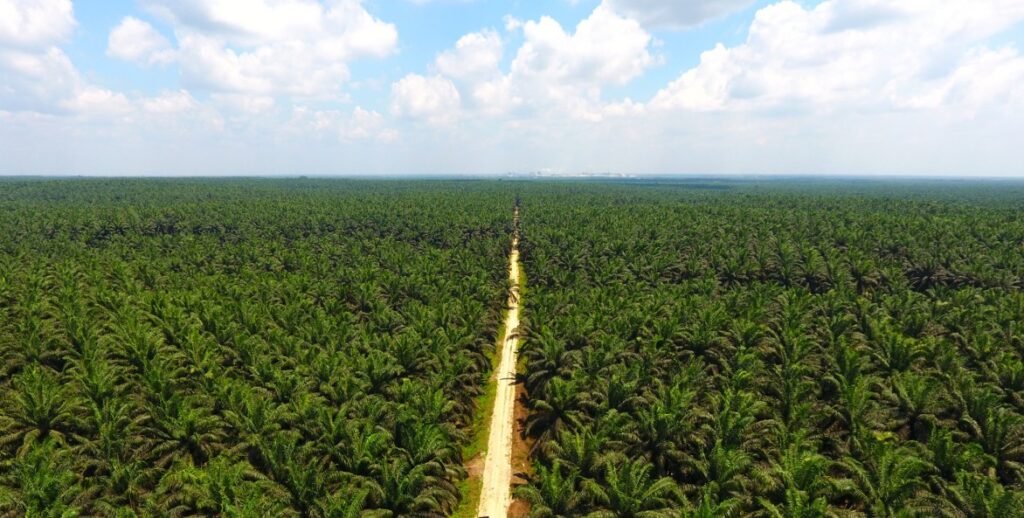
Indonesia, a global commodities powerhouse, is the world’s largest exporter of thermal coal and palm oil.
“Today the Indonesian government that I lead will issue a regulation on management of commodity exports,” Prabowo said.
“The issuance of this regulation is a strategic step to strengthen management of commodity exports,” he said.
“All sales of our resources, from palm oil, coal must be through a SOE selected by the government…as sole exporters,” he added.
The government’s new step marks a dramatic escalation of Jakarta’s push toward tighter control over the country’s vast natural-resource wealth, echoing broader resource-nationalist policies already seen in Indonesia’s nickel and mining sectors.
Under the draft regulation, exports of strategic commodities — initially including coal and crude palm oil — would only be allowed through specially appointed state-owned enterprises, known locally as BUMN. The transition would begin in June 2026 before moving into full implementation in September 2026.
The government said the move aims to clamp down on chronic underreporting of export values, transfer pricing practices and offshore diversion of export earnings that officials believe have drained billions of dollars from the Southeast Asia’s largest economy.
Indonesia is the world’s largest palm oil exporter and one of the biggest suppliers of thermal coal globally. Any structural change to its export system has immediate implications for commodity traders, refiners, utilities, shipping firms and emerging-market investors.
The proposal also signals that Prabowo’s administration is willing to deepen state intervention in strategic industries to maximize fiscal revenue and foreign-exchange reserves at a time when global commodity competition is intensifying.
If fully implemented, the policy could fundamentally alter how international buyers negotiate contracts with Indonesian exporters, shifting bargaining power toward government-linked entities.
“This regulation is a strategic step to bring order to the governance of our natural resources,” Prabowo said while discussing the planned policy framework, according to government materials reviewed by Investortrust.id.
“Sales of our natural resources — starting with palm oil, coal and iron alloys — must go through state-owned enterprises appointed by the government,” he said.
Prabowo argued the main purpose of the policy was to strengthen oversight and eradicate “underpayment practices, underinvoicing, transfer pricing and the flight of export foreign-exchange earnings.”
“This policy will optimize tax revenue and state income from natural-resource management,” he added.
The draft regulation states that “strategic natural-resource commodities” can only be exported by designated state-owned export firms. The initial commodities listed include coal and palm oil, although the government retains authority to expand the list later.
The regulation would give the government broad powers to determine which state-owned enterprises can handle exports and how the export-control mechanism would operate.
Resource Nationalism
The proposed regulation fits into a broader economic strategy pursued by Prabowo’s administration, which has emphasized downstream industrialization, state-led development and tighter control over Indonesia’s resource sector.
Over the past several years, Indonesia has already banned exports of raw nickel ore and pushed miners to process commodities domestically before shipment abroad.
Now the government appears ready to apply a similar philosophy to export governance itself. Prabowo framed the issue as both an economic and nationalist imperative.
“We must believe that all natural resources belong to all Indonesian people,” he said.
“I believe every leader with healthy judgment, conscience and love for the country would never allow natural resources to continue being managed without oversight and without control.”
Market participants are expected to closely monitor how aggressively the government enforces the rules and whether exemptions emerge for existing exporters or multinational trading houses. (*)
reuters.com. Indonesia unveils plan to centralise control of commodity exports. https://www.reuters.com/world/asia-pacific/indonesia-plans-centralise-commodity-exports-through-state-agency-sources-say-2026-05-20/. May 20, 2026