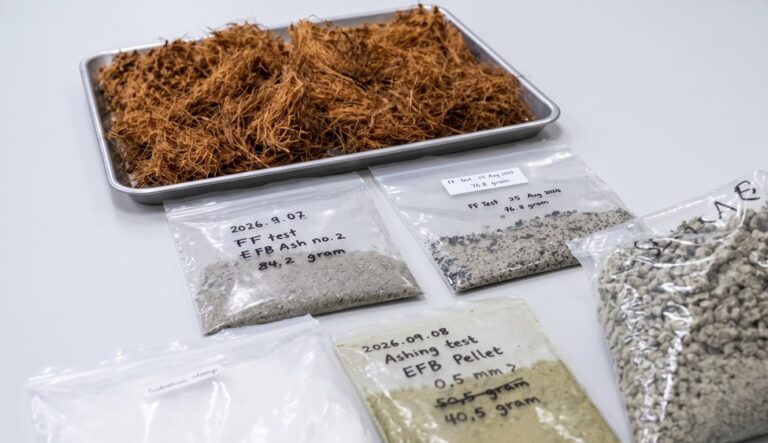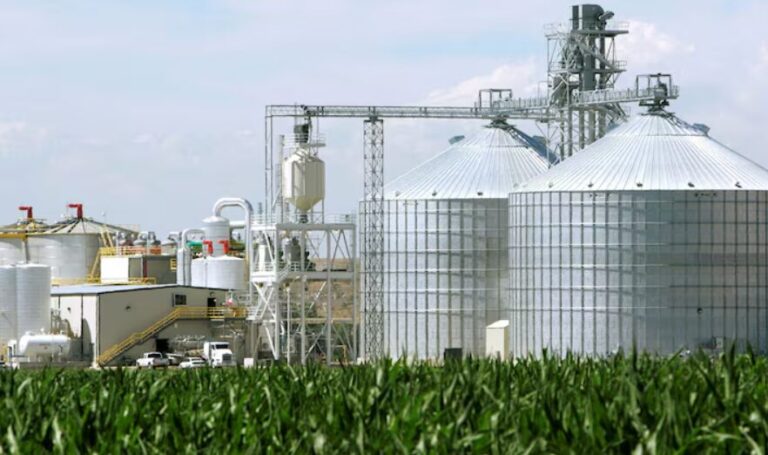
JAKARTA – PT PLN Energi Primer Indonesia (PLN EPI) has planned the development of Bio-Compressed Natural Gas (Bio-CNG) project by utilizing palm oil wastes as part of its strategy of green energy diversification and acceleration of national energy transition.
PLN EPI’s Biomass Director Hokkop Situngkir said that the initiative to develop the Bio-CNG is aimed to optimize the utilization of domestic waste potential as the source of low-carbon energy, which can strengthen the energy resilience and reduce the green house gas (GHG) emission.
Hokkop emphasized the commitment of PLN EPI to continually push the utilization of palm wastes to produce energy products with significant added value for industries.
“Through collaboration with concession owners and palm oil mills, Palm Oil Mill Effluent (POME) can be processed into biomethane, which is then refined into Bio-CNG to fulfill the energy needs of power plants,” Hokkop said in a statement, quoted on Sunday (07/06/2026).
Hokkop believes that North Sumatra province has big potential for Bio-CNG development, given its status as one of the centers of the palm oil industry in the country. According to data from Statistics Indonesia (BPS), there are 327 oil palm plantations operating in the province, supported by 237 processing plants, which have the potential to become the suppliers of biomethane raw material.
As a concrete step, PLN EPI has established a strategic collaboration with PT KIS Biofuels Indonesia, which has the technological expertise to convert palm oil liquid waste into Bio-CNG. This Bio-CNG supply will be allocated to support the operation of the Belawan Steam Gas Power Plant (PLTGU) in North Sumatra, which has an installed generation capacity of 1,184 MW and contributes 30 percent of the power needs of the northern Sumatra electricity system.
To expand the Bio-CNG project, PLN EPI has consistently collaborated with various palm oil mills (PKS) to convert the previously underutilized waste into economically valuable clean energy.
Hokkop added that the development of biomethane is not only aimed at reducing fossil fuel use but also has a crucial environmental impact and creates new economic opportunities for palm oil industry players through the waste utilization.
In addition to reducing dependence on fossil fuels, the use of biomethane is seen as providing significant ecological benefits for environmental sustainability.
As methane gas from palm oil liquid waste has a far more significant global warming effect than carbon dioxide, capturing this gas as an energy source is a reliable solution for reducing greenhouse gas emissions while generating environmentally friendly, and renewable electricity. (*)
Sawitindonesia.com. PLN EPI Mengembangkan Bio-CNG Berbasis Limbah Kelapa Sawit. https://sawitindonesia.com/pln-epi-mengembangkan-bio-cng-berbasis-limbah-kelapa-sawit/. 8 Juni 2026