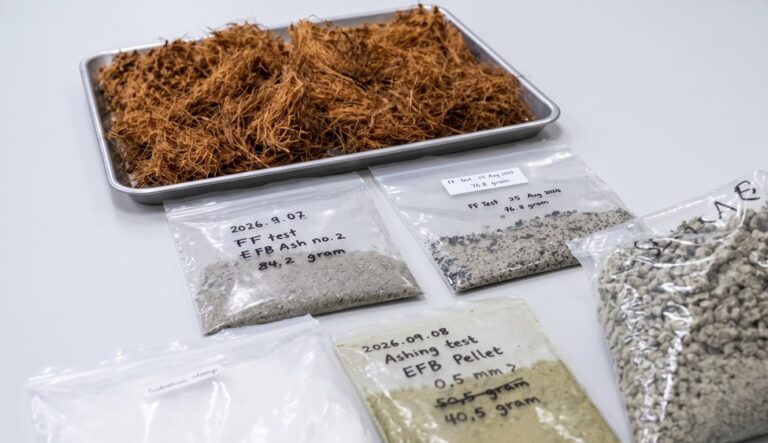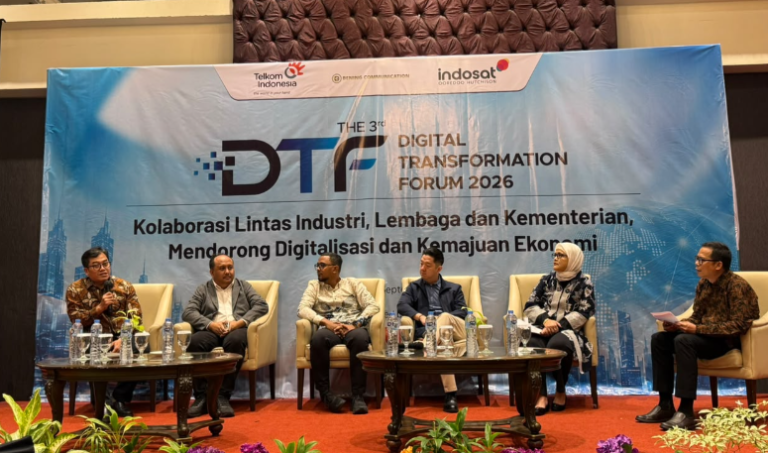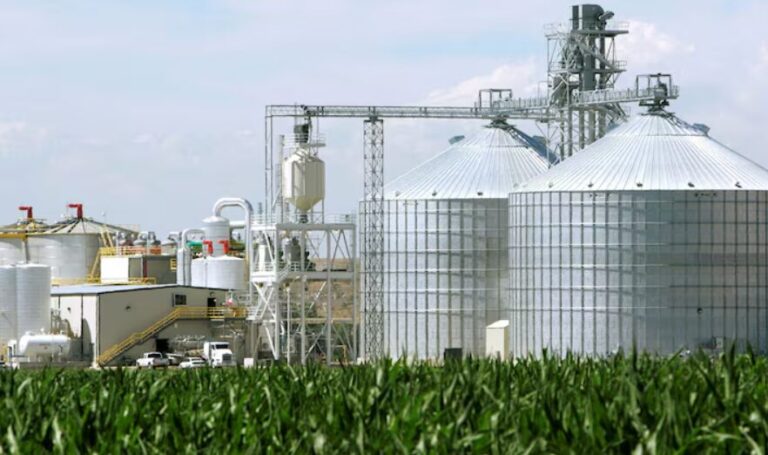
Palm oil is the most widely used vegetable oil in the world and an important raw material in many industries. Besides food industries, it is also used in the industries of cosmetics, personal care, cleaning products, health products, and renewable energy products. As a matter of fact, the palm oil can be found in almost half of packaged products in global markets.
There is no denying the fact that its higher productivity, higher efficiency and higher versatility as compared to other vegetable oils, becomes the main factor that makes it the most widely used oil globally. In terms of efficiency and productivity, the oil palm trees can produce oil higher than other oil crops from the same size of land.¹ Having special and unique properties that are applicable in many industries, palm oil becomes very versatile among global consumers.
But unfortunately, the palm oil industry has been for years facing many challenges attributed to deforestation, change of land use, and greenhouse gas emissions (GHG). In dealing with the challenges, palm oil producing countries, mainly Indonesia and Malaysia, have been continually pursuing efforts to strengthen the sustainability of palm oil with a view to helping realize the target of net zero emissions.²
Satellite technology and AI strengthens Palm Traceability
One of the biggest changes in the global palm oil industry is the increasing use of digital technology to strengthen supply chain traceability. International companies are now leveraging high-resolution satellite imagery, artificial intelligence (AI), and digital mapping systems to monitor the sources of their raw materials.
These technologies enable near-real-time monitoring of land cover changes, allowing for faster detection of land clearing activities. Traceability systems also help ensure that traded palm oil is responsibly sourced and meets increasingly stringent sustainability standards in the global market.²
ISPO strengthens governance of RI’s sustainable palm oil
As the world’s largest palm oil producer and exporter, Indonesia continues to strengthen its governance of the palm oil industry through various sustainability policies. A key instrument is the implementation of the Indonesian Sustainable Palm Oil (ISPO) scheme, which requires all palm industry players adopt sustainability principles—ranging from regulatory compliance and environmental protection to social responsibility.³
The implementation of ISPO plays a vital role in enhancing the competitiveness of Indonesian palm oil in the international market while simultaneously supporting low-carbon development and the reduction of greenhouse gas emissions.
Moratorium and PSR raises productivity without expansion
The Indonesian government has also implemented a moratorium policy on palm oil plantation permits, involving the evaluation and restructuring of existing licenses. This policy aims to boost the productivity of existing plantations without the need to open up new forest areas, thereby supporting conservation efforts and the protection of national carbon stocks.⁴
Furthermore, the program of replanting smallholders’ plantations (PSR) continues to be promoted to assist farmers in replacing old, low-yielding trees with superior seedlings that offer higher productivity. Through this program, increased production can be achieved without expanding plantation areas, thereby minimizing pressure to clear new land.⁵
Biodiesel strengthens palm contribution to Net Zero Emission
Indonesia’s commitment to reducing emissions is further reinforced by the mandatory palm oil-based biodiesel program. The implementation of B40 represents a crucial step toward reducing reliance on fossil fuels while simultaneously increasing the share of renewable energy in the national energy mix.
Looking ahead, the government is also advancing the implementation of B50, which is expected to strengthen national energy security, reduce fossil fuel imports, and contribute to lowering emissions in the transportation sector.⁶
The biodiesel program serves as tangible proof that the palm oil industry plays a role not only as a supplier of raw materials for food and oleochemicals but also as a vital component of Indonesia’s energy transition solution.
Deforestation drops, sustainability commitment strengthens
Various international studies and reports indicate that the rate of palm oil-related deforestation in Indonesia and Malaysia has declined significantly compared to a decade ago. At the same time, palm oil production continues to rise to meet global market demand. This situation demonstrates that increased production and sustainability can go hand in hand through improved governance, the use of technology, and the commitment of all stakeholders.²
Although challenges such as Indirect Land Use Change (ILUC) and rising global demand still require attention, the measures taken so far have shown a positive direction. Through the strengthening of the ISPO scheme, the replanting program for smallholders, moratorium policies, the use of satellite-based traceability technology, and the development of B40 to B50 biodiesel, Indonesia’s palm oil industry continues to move closer to achieving net-zero emissions and sustainable development goals. (*)
¹ Sumber utama mengenai peran minyak sawit dalam berbagai produk global, keunggulan produktivitas sawit, serta tantangan dan peluang menuju net zero emission. https://cpopc.net/news/can-palm-oil-go-net-zero-inside-the-push-to-cut-climate-impact
² Sumber mengenai traceability, pemanfaatan teknologi satelit dan AI, penurunan deforestasi terkait sawit, serta berbagai inisiatif keberlanjutan di Indonesia dan Malaysia. https://cpopc.net/news/can-palm-oil-go-net-zero-inside-the-push-to-cut-climate-impact
³ Dasar hukum Sistem Sertifikasi Perkebunan Kelapa Sawit Berkelanjutan Indonesia (ISPO). https://peraturan.bpk.go.id/Details/140140/perpres-no-44-tahun-2020
⁴ Dasar kebijakan penundaan dan evaluasi perizinan perkebunan kelapa sawit serta peningkatan produktivitas perkebunan sawit nasional. https://www-ng.bpdp.or.id/id/p/inpres-no-8-tahun-2018-tentang-moratorium-lahan-sawit
⁵ Informasi Program Peremajaan Sawit Rakyat (PSR) sebagai upaya meningkatkan produktivitas tanpa perlu membuka lahan baru. https://www.bpdp.or.id/program-peremejaan-sawit-rakyat
⁶ Informasi pengembangan biodiesel B40 dan B50 sebagai bagian dari strategi transisi energi dan pengurangan emisi Indonesia. https://www.reuters.com/sustainability/climate-energy/indonesia-track-launch-b50-biodiesel-programme-july-1-minister-says-2026-06-18/