JAKARTA – Indonesia’s palm oil industry has a huge opportunity to strengthen its global competitiveness through the application of circular economy. Such green application is believed to be able to tackle mounting challenges in economy, environment, and social, while creating new sources of growth through the downstream sector.
Professor of Agriculture from Bogor University of Agriculture (IPB University), Professor Hariyadi explained that optimization of oil palm biomass should become one of national main strategies in realizing the circular economy in Indonesia.
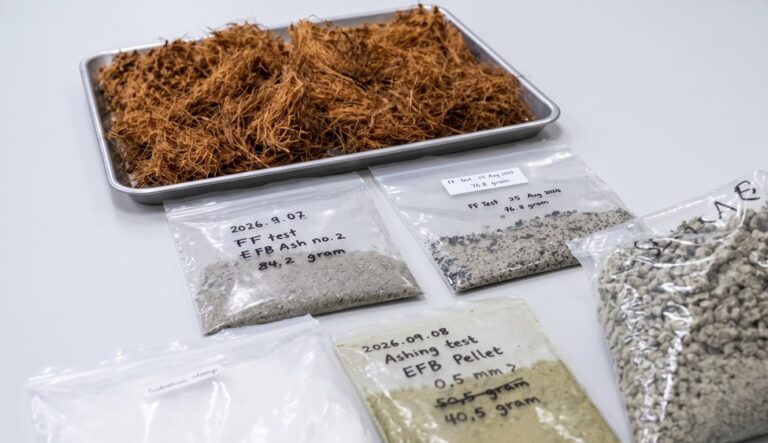
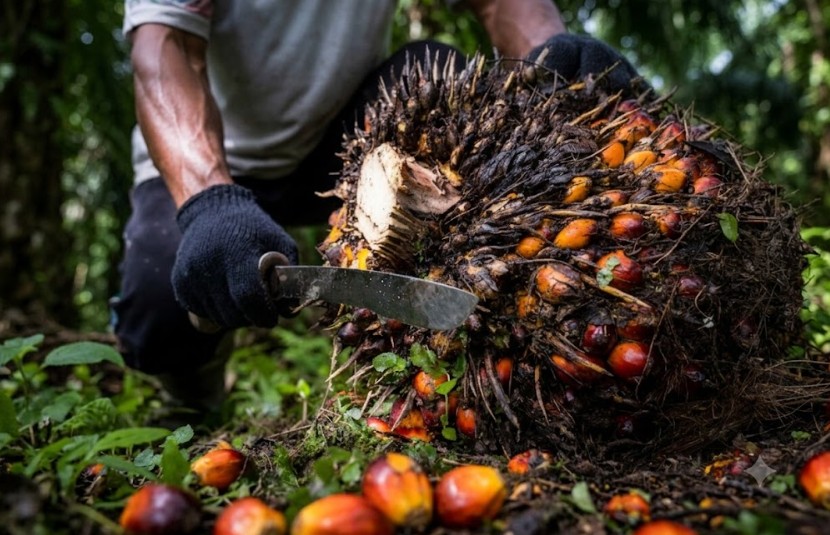
The oil palm biomass consists of palm fronds and trunks, empty fruit bunches (EFB), shells, palm fibers, as well as Palm Oil Mill Effluent (POME).
According to him, utilizing palm biomass can increase value-added by eight to nine times compared to leaving the waste unused. “The potential is further amplified by the fact that Indonesia currently possesses 16.83 million hectares of oil palm plantation areas,” he said.
Based on this total area, oil palm biomass production is estimated to reach 261.7 million tons of dry matter annually, making Indonesia the world’s largest producer of oil palm biomass.
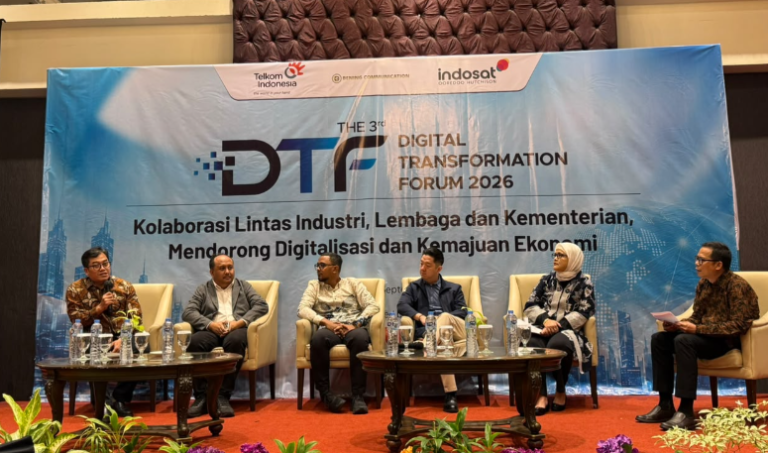
“The expansion of oil palm plantations in Indonesia has been spectacular. Currently, the total plantation area stands at 16.83 million hectares. Therefore, oil palm management must be carried out sustainably,” Prof. Hariyadi said in Jakarta on Friday (03/07/2026).
He added that oil palm biomass offers a wide range of utilization opportunities.
In addition to being processed into compost and organic fertilizer, the biomass has the potential to serve as fuel for biomass-based power plants and as an additive for cement and construction materials.
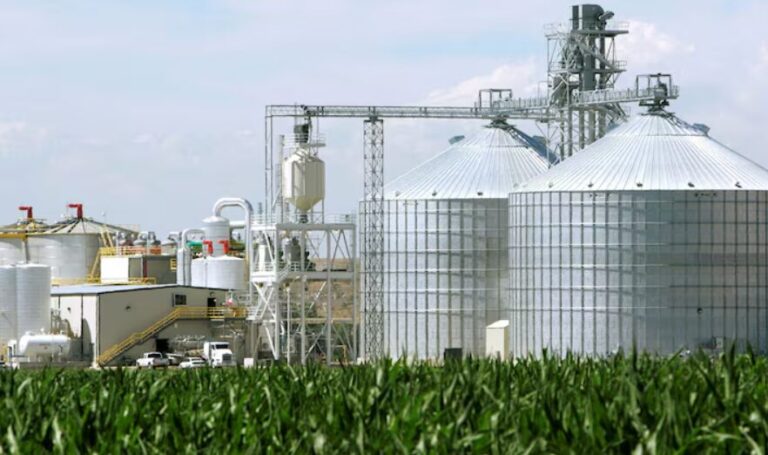
With biomass availability reaching hundreds of millions of tons per year, the palm oil sector is considered a potential pillar for the development of new and renewable energy in Indonesia. Its utilization not only strengthens national energy security but also opens up investment and business opportunities within the downstream industry.
Prof. Hariyadi explained that the economic value generated from processing oil palm biomass includes the growth of downstream industries near plantation hubs, the development of natural fiber-based building material industries, the provision of renewable energy marketable to the power grid and industrial sectors, and the reduction of methane emissions, which could potentially generate carbon credits.
“Optimizing palm oil waste will create new economic value,” he emphasized.
Challenges of circular economy
Nevertheless, the Chairperson of the Supervisory Board of the Association of Plantation Education and Training Institution (Alpenbun) acknowledges that the implementation of the circular economy in the palm oil industry still faces several challenges.
“Those challenges include the need for substantial initial investment, limited waste processing technology, high logistics costs, an underdeveloped market for palm derivatives, and regulations and incentives that require strengthening,” he said.
To accelerate the adoption of the circular economy, the Plantation Fund Management Board (BPDP) has been continually promoting various programs, ranging from strengthening downstream process and empowering the small and medium enterprises (SMEs), to supporting research and development in palm oil waste processing technology.
Siti Nikmatin, a lecturer and researcher at the Palm Oil Study Center at IPB University, said that BPDP plays a strategic role in accelerating innovation within the palm oil sector by supporting initiatives of circular economy research.
She emphasizes that converting palm waste into value-added products not only yields economic benefits but also contributes to environmental conservation. “Furthermore, the implementation of the circular economy opens up opportunities to improve community welfare,” she said.
Local residents living near plantations and palm oil mills can be involved in the process of transforming waste into various marketable products.
“There is concrete evidence that BPDP supports innovative research for the advancement of the palm oil industry in Indonesia,” Nikmatin concluded. (*)
Disway.id. Ekonomi Sirkular Sawit Jadi Kunci Hilirisasi, Biomassa Berpotensi Naikkan Nilai Tambah 9 Kali Lipat. https://disway.id/read/957884/ekonomi-sirkular-sawit-jadi-kunci-hilirisasi-biomassa-berpotensi-naikkan-nilai-tambah-9-kali-lipat. 18 Juli 2026;