Palm Oil Palmitic Acid
Palmitic acid (palmitic acid, IUPAC name: hexadecanoic acid) is one of the main saturated fatty acids contained in palm oil. This fatty acid has a carbon chain 16 atoms long (C16:0) and is the dominant component that shapes the distinctive characteristics of palm oil compared to other vegetable oils.
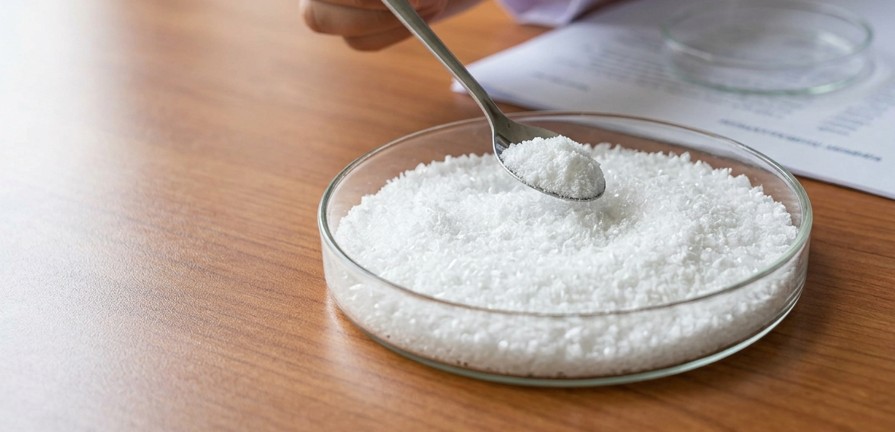
Content in Palm Oil
Palmitic acid is the most dominant fatty acid in crude palm oil (CPO), with a level of about 4445% of the total fatty acid composition making it the saturated fatty acid with the highest share among commonly traded vegetable oils, far above other palm oils such as soybean oil or canola oil. The closest comparison is cocoa butter, which has a palmitic acid content of about 26%.
Together with oleic acid (C18:1, ~3940%), these two fatty acids make up more than 80% of the palm oil composition, making it one of the vegetable oils with the most balanced composition between saturated and unsaturated fats. This characteristic is what makes palm oil relatively stable against oxidation and suitable for various food processing applications.
Uses of Palmitic Acid
Food industry – Palmitic acid plays an important role in providing texture, stability, and extending the shelf life of products such as margarine, shortening, baked goods, and other processed foods. The United States Food and Drug Administration (FDA) classifies palmitic acid as a substance that is generally recognized as safe (GRAS) for use in food production.
Oleochemical, soap, and cosmetics industries – Palmitic acid is widely used in the palm-derived oleochemical industry, especially for making soap through the saponification process, which produces sodium palmitate the active cleansing ingredient in bar soaps and liquid detergents.4 In cosmetics and skincare products, palmitic acid functions as an emollient (moisturizer) that helps maintain skin moisture, as well as a thickening and formula-stabilizing agent in lotions, creams, and hair care products.5
Other industries – Palmitic acid is also used as a raw material for candles (adding hardness and opacity), biodegradable lubricants, and environmentally friendly surfactants for applications such as enhanced oil recovery.4
Palmitic Acid and Nutrition Discussions
As a saturated fatty acid, palmitic acid is one of the topics widely discussed in nutrition studies related to diet and cardiovascular health. Therefore, a number of oil palm breeding programs in Malaysia and Indonesia are developing varieties with higher oleic acid and lower palmitic acid content, in order to produce a fatty acid profile with a higher unsaturated content.6 One variety resulting from breeding in Malaysia has achieved an oleic acid content of about 52%.6
Relevance to the Indonesian Palm Oil Industry
Because palmitic acid is the dominant component of CPO, its content influences the physical characteristics of palm oil derivative products such as melting point, density, and stability which determine their use in various downstream industries, from processed food and oleochemicals to cosmetics. An understanding of this composition is an important foundation for the development of Indonesia’s increasingly diversified palm oil downstream products.
References
Indonesian Palm Oil Association (GAPKI). Fatty Acid Composition of Palm Oil and Its Fractions.
Chem-Impex, “Palmitic Acid”, https://www.chemimpex.com/products/14036
Chemical Safety Facts, “Palmitic Acid”, https://www.chemicalsafetyfacts.org/chemicals/palmitic-acid/
4 PT SMART Tbk, “Palmitic Acid 101: The Powerhouse Fatty Acid in Everyday Life”, https://www.smart-tbk.com/en/asam-palmitat-101-jawara-asam-lemak-yang-kita-temukan-sehari-hari/
5 Cosmetic Ingredients Guide, “Palmitic Acid”, https://ci.guide/organic-compounds/palmitic-acid
6 bioRxiv, “Identification of Genes Affecting Saturated Fat Acid Content in Elaeis guineensis by Genome-Wide Association Analysis”, https://www.biorxiv.org/content/10.1101/341347.full.pdf