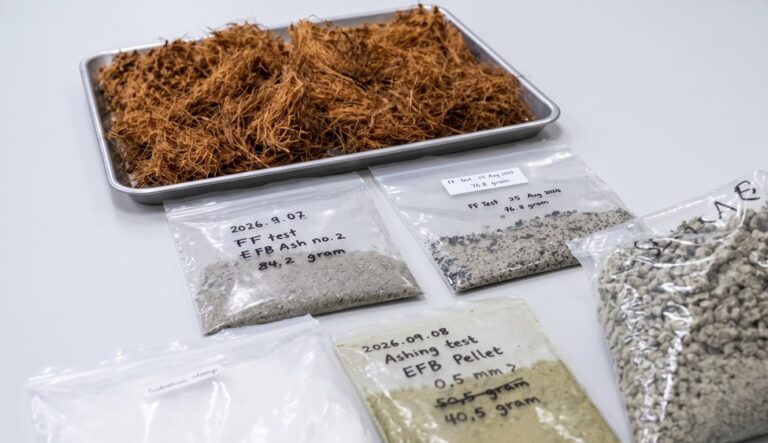
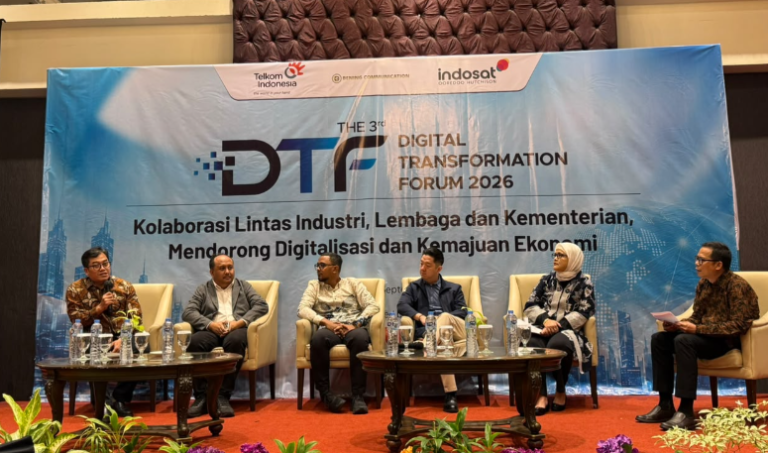
The palm oil sector, an integral part of the economy of Indonesia, has seen remarkable growth in recent decades, with the Gabungan Pengusaha Kelapa Sawit Indonesia (GAPKI) playing the central role in this expansion. GAPKI has been making a significant contribution to the industry’s development and continues to work towards sustainable growth.
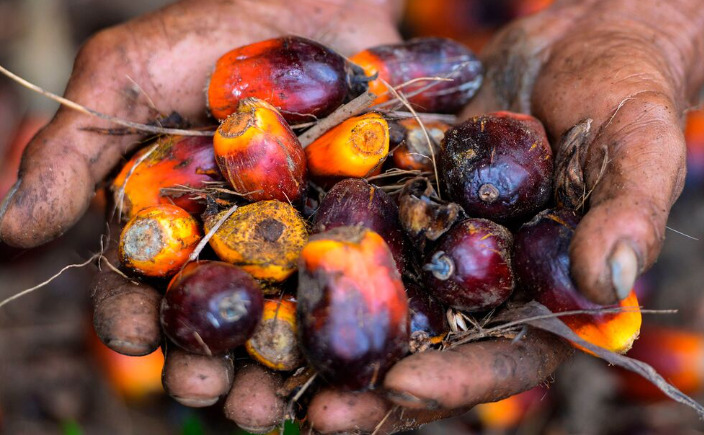
A Catalyst for Expansion
Established in 1981, GAPKI emerged and gained visibility during a period of rapid industrial growth. The association advocated for policies that encouraged palm oil cultivation and implemented initiatives to enhance production techniques. These efforts were the driving force behind a substantial increase in output, positioning Indonesia as the world’s top palm oil producer by the early 2000s.
Navigating Industry Challenges
As production increased, GAPKI’s focus shifted to addressing new challenges, including social responsibility and environmental sustainability. The Nucleus Estate and Smallholders (PIR) initiatives ensured smallholders, a significant group in the supply chain, shared in the palm oil industry’s prosperity while encouraging responsible land management. GAPKI has also promoted best practices to reduce the environmental impact of palm oil production, including preventing deforestation and promoting biodiversity.
Quantifying Growth: A Statistical Perspective
- Production Surge: Indonesia’s palm oil production soared from approximately 10 million tons in 2000 to an estimated 50 million tons in 2023, notching up an impressive 400% increase.
- GAPKI’s expanding reach: Reflecting the industry’s growth, GAPKI’s membership has also grown significantly. Today, it represents a vast network of palm oil companies encompassing a diverse range of industry players, from large-scale producers to smallholder co-operatives.
Looking ahead: Harmonizing growth and sustainability
India is one of the largest importers of Indonesian palm oil, making the sustainability and growth of Indonesia’s palm oil industry directly impactful. The environmental and social practices promoted by GAPKI resonate with Indian consumers’ demand for responsibly sourced products. The association advocates for responsible land use, biodiversity conservation, and improved waste management to ensure the industry’s sustainability in future.
GAPKI is also an active stakeholder in global discussions on sustainable palm oil production; ensuring that Indonesia’s practices align with international standards. Insights from GAPKI’s strategies can inspire sustainable practices in the Indian agricultural sector, ensuring food security and market stability. (*)