Introduction
Food security in Pakistan is at a critical juncture. With a population of about 250 million and growing at ~1.5% annually, rising climate variability and persistent macro-economic volatility are straining both domestic production and the nation’s ability to manage imports. Local oilseed cultivation contributes only a fraction of national requirements, compelling Pakistan to rely on imports for over 90% of its edible oil needs. Within this dependency, palm oil holds a central place: Pakistan’s annual edible oil consumption is 4.7 million tons, of which over 90% of imports are palm oil, with Indonesia supplying the majority share.
Meeting this demand has positioned Indonesia as Pakistan’s indispensable partner in edible oil security, supplying around three-quarters of its palm oil imports—valued at more than US$2.5 billion each year. What started as commodity trade has evolved into a strategic economic relationship, strengthened through the Pakistan-Indonesia Preferential Trade Agreement (2013). Today, palm oil imports not only provide scale and affordability but also help anchor price stability, safeguard foreign exchange reserves, and reinforce Pakistan’s food security objectives.
At the same time, both governments and research institutions are exploring ways to complement imports with localized production. Some experts estimate that cultivating 60,000 hectares of oil palm could attract USD 30 million in investment and ease the country’s current import-heavy reliance. Recently, Indonesian delegations have engaged with Sindh Agriculture University (SAU) Tandojam—where pilot projects are under way with DALDA and international partners to explore joint research, agronomic training, and infrastructure development.
Section 1: Demand, Import Dependency & Vulnerabilities
Urbanization and changing diets have sent Pakistan’s edible oil demand soaring. The sector has become one of the most critical components of the country’s food economy, shaping household budgets and sustaining a vast downstream processing industry. Amongst these, palm oil dominates the basket, accounting for 70-80% of the country’s edible oils, followed by soybean, canola, and other oils. At nearly 24 kilograms per person, edible oil consumption shows how essential it is to daily diets and national food systems.
However, despite rising consumption, domestic production remains far below requirements. Local oilseed cultivation contributes less than 10% of demand, constrained by low yields, climate vulnerabilities, and logistical inefficiencies. This import dependence leaves Pakistan highly exposed to global shocks. Global price swings quickly impact household budgets, currency depreciation inflates import costs, disruptions such as the Red Sea crisis reveal supply chain fragility, and the import bill continues to weigh on foreign exchange reserves. A surge in global palm oil prices can mean a mother in Karachi or a food vendor in Lahore suddenly paying double for cooking oil—cutting into nutrition, earnings, and daily survival. These price shocks ripple from ports to dinner tables. These structural vulnerabilities highlight why Pakistan’s food security cannot be delinked from the stability of its edible oil imports. Consistent, affordable, and sustainable supply is therefore not just an economic priority but also a social and political imperative.
Section 2: Indonesia’s Role-Strategic, Sustainable, Scalable
Among Pakistan’s trading partners, Indonesia is unmatched, supplying about 75% of palm oil imports, amounting to over $2.5 billion worth of Indonesian palm oil each year. The Pakistan-Indonesia Preferential Trade Agreement of 2013 formalized tariff concessions and helped deepen bilateral ties.
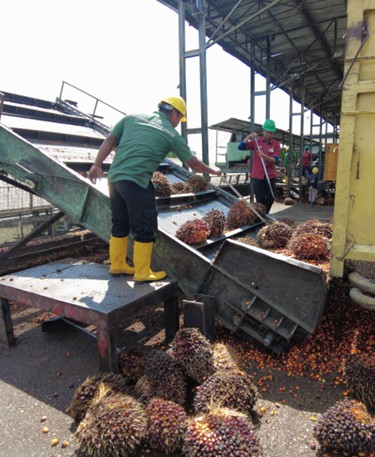 In today’s date, this is no longer a simple commodity exchange: Indonesian palm oil has become a stabilizing force—moderating domestic cooking oil prices, providing a predictable bulk supply that eases foreign exchange pressures, and supporting downstream industries from FMCG to food processing. This means stable jobs for refinery workers in Karachi, packaging line staff in Faisalabad, and transporters moving goods across the country.
As the world’s largest producer, accounting for 59% of global output, Indonesia offers Pakistan scale, affordability, and reliability, even amid global disruptions. At the same time, with the palm oil producing giant having strengthened its sustainability credentials through ISPO certification, Indonesia also offers Pakistan the opportunity to support its own climate and sustainability goals, including its Nationally Determined Contribution under the Paris Agreement.
 This partnership is poised to grow. Alongside institutional reforms, Indonesian Foreign Direct Investment (FDI) in Pakistan’s refining and logistics sector offers opportunities to reduce reliance on imported refined oils and capture greater value domestically. Embedding sustainability and aligning procurement practices with Pakistan’s Vision 2025 and global SDG goals, will ensure that the two countries’ trade will become a cornerstone of Pakistan’s long-term food security. Taken together, rising demand, Indonesia’s supply strength, Pakistan’s ongoing commitment to institutional reforms, and shared alignment with the SDGs signal a partnership that goes beyond trade. In this context, Indonesian palm oil emerges not just as a dietary staple but as a strategic partner in building resilience ensuring food security today while laying the foundations for a sustainable tomorrow.
Section 3: Bilateral Trade Benefits and Opportunities
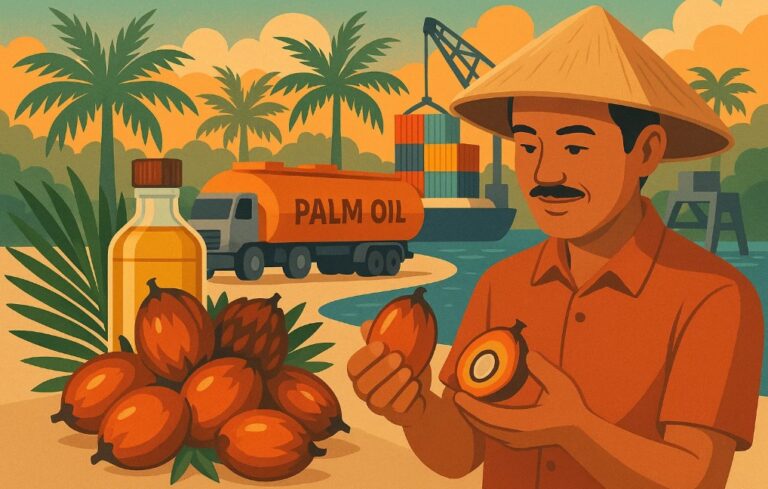
The economic relationship between Indonesia and Pakistan is a powerful example of mutually beneficial trade, anchored by the consistent supply of Indonesian palm oil. Indonesia is by far the dominant supplier—about 75% of Pakistan’s palm oil (worth over US$2.5 billion annually) comes from Indonesia. This interdependence creates a tight economic bond: Indonesian producers gain a reliable export market and jobs, while Pakistan secures affordable oil to stabilize food prices and keep industries running. Behind every shipment are thousands of livelihoods—shopkeepers, truck drivers, and daily wage earners—who depend on a functioning supply chain to survive.
Bilateral agreements have further cemented this partnership. As mentioned earlier, the two countries signed the Indonesia-Pakistan Preferential Trade Agreement (IPPTA) in 2012, which was implemented in 2013, to boost commodity trade. Under the PTA, Pakistan lowered import duties on Indonesian palm oil to the same preferential rates it offers Malaysia. In return, Indonesia granted Pakistan greater market access for textiles, agriculture, and leather goods. This reciprocal arrangement gave Indonesian exporters a competitive edge and sharply increased their share in Pakistan’s market.
The PTA’s expansion in 2018 to include 20 additional zero-duty Pakistani export items (mostly value-added textiles, rice, and fruits) illustrates palm oil’s role as a reciprocal bargaining tool. While the trade balance remains in Indonesia’s favor, Pakistan benefits from improved market access, technology transfer, and job creation. Palm oil thus acts not only as an economic driver but also as a diplomatic bridge, deepening cooperation across trade, industry, and policy. And for consumers, this cooperation means fewer shortages, more price predictability, and fewer compromises on what’s cooked and served at home.
Section 4: Balancing Sustainability with Growth Ambitions
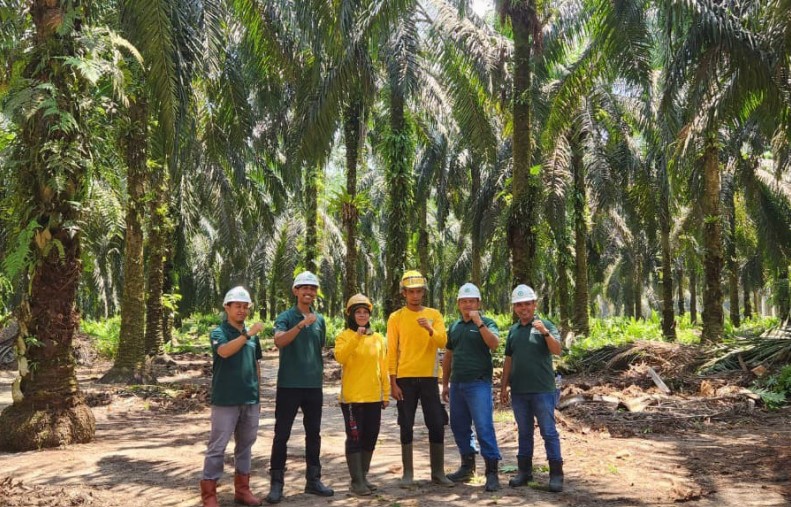
For Indonesia, palm oil is both an export commodity and a test case in reconciling economic growth with global sustainability mandates. As global regulations tighten—notably the EU’s Deforestation Regulation requiring full traceability—Indonesia has strengthened domestic systems to ensure compliance and protect long-term market access. The Indonesian Sustainable Palm Oil (ISPO) certification, mandatory for all producers by 2025, sets down rigorous environmental and social standards, aligning more closely with international benchmarks. By mid-2020, over 5.2 million hectares of plantations were ISPO-certified, and coverage continues to expand. For smallholder farmers in Indonesia, this means more secure incomes and access to global markets—without sacrificing the environment their communities depend on.
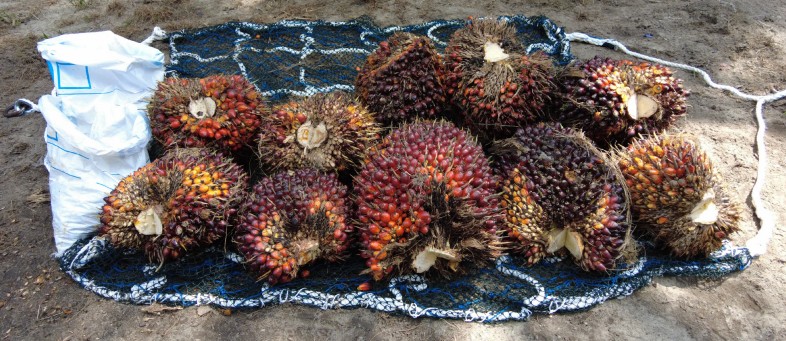
For Pakistan, which sources more than three-quarters of its edible oil from Indonesia, these sustainability commitments carry strategic importance. Stable, responsibly produced palm oil enables Pakistan’s food industry to meet consumer needs while aligning with the country’s SDG commitments—SDG 2 [Zero Hunger] and SDG 12 [Responsible Consumption and Production]. By sourcing from certified Indonesian producers, Pakistan also signals responsiveness to evolving global supply chain norms, ensuring resilience against regulatory shocks. It also gives Pakistani consumers the assurance that the products they use every day are responsibly sourced and globally credible.
Looking forward, sustainability is not a burden but an opportunity. Stronger ISPO enforcement, joint certification partnerships, and the possibility of channeling climate finance into palm oil reforms can transform Indonesia’s sector into a benchmark for responsible commodity trade. For Pakistan, this means access to palm oil that is not only affordable but also environmentally and socially accountable—an essential foundation for long-term food security and economic stability.
Conclusion
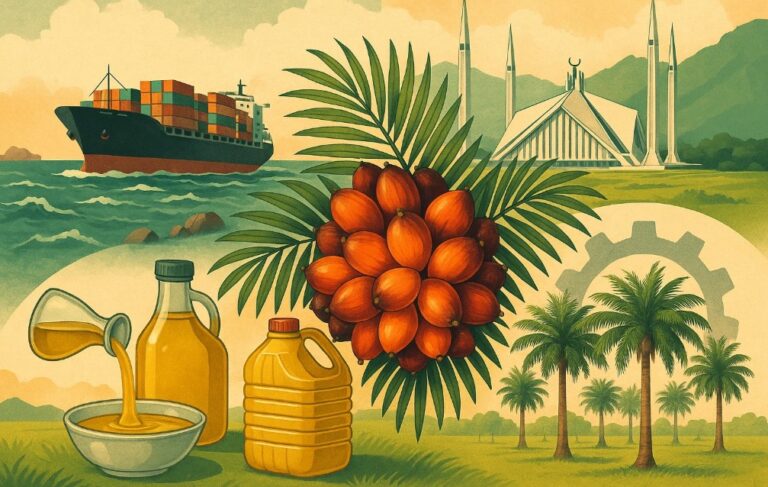
The Indonesia-Pakistan palm oil partnership stands today as more than a trade corridor — it is a lifeline of food security, a driver of inclusive growth, and a shared commitment to a sustainable future. Every container of palm oil isn’t just trade—it’s food on the table in Pakistan, and income for a farmer in Indonesia. That’s what shared resilience looks like. As Pakistan expands its food security strategies and Indonesia advances its sustainability agenda, their partnership is evolving from one of necessity to one of shared vision. The collaboration now extends beyond trade — into technology transfer, investment, and climate-resilient development. Together, the two nations are not just meeting today’s demand but shaping tomorrow’s resilience and ensuring that every drop of palm oil traded contributes to nourishment, stability, and prosperity across both economies. (*)