Indonesia is known as the world’s largest producer and exporter of palm oil. Besides producing the crude palm oil (CPO) and crude palm kernel oil (CPKO), the palm oil industry also produces various derivative products with high economic value. One of them is Palm Kernel Meal animal feed, also known as PKM.
Although it is often considered as side product, the PKM has actually become one of important raw materials in the industry of animal feeds due to its content of good nutrition, abundant availability, and competitive prices compared to those imported ones.
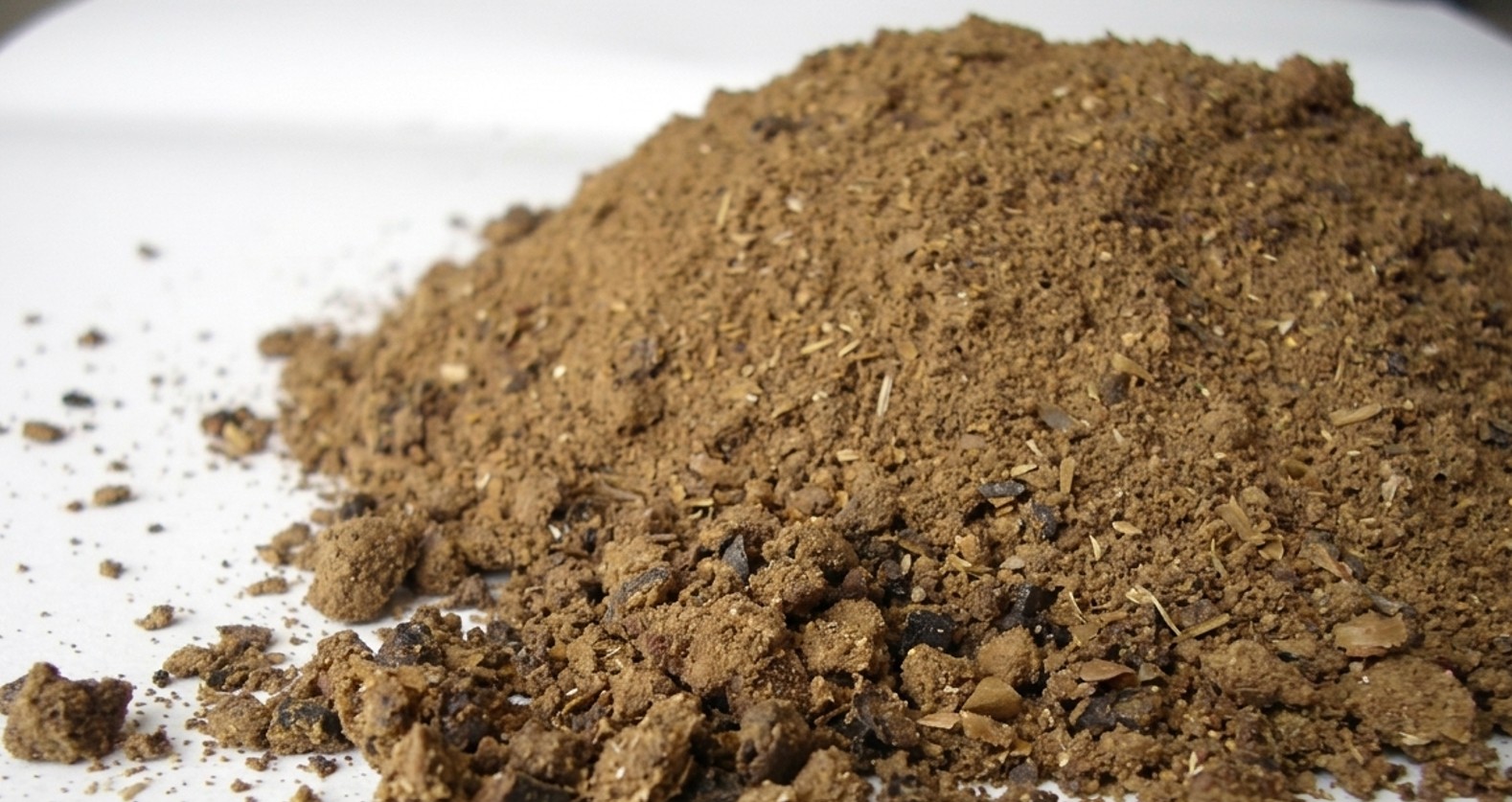
What is Palm Kernel Meal?
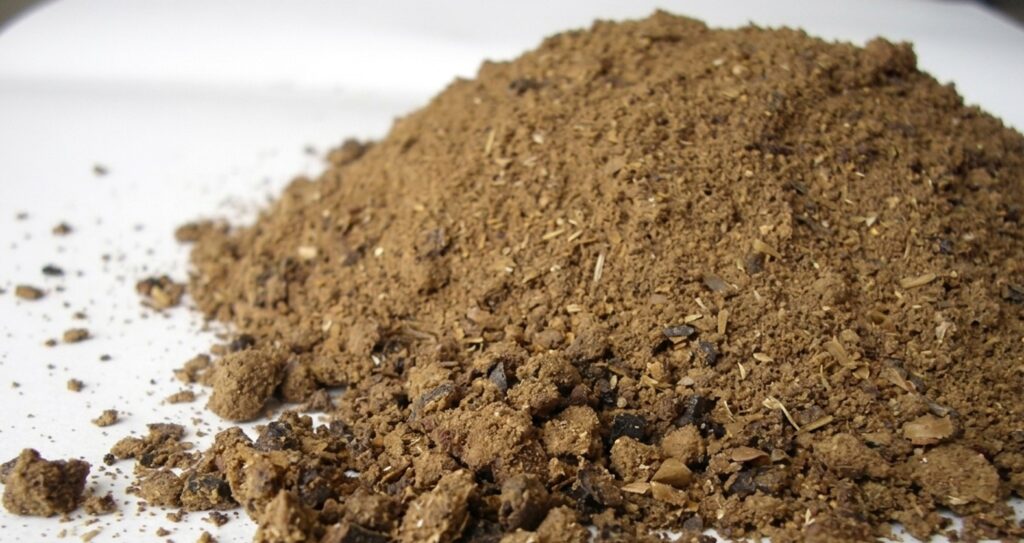
Palm Kernel Meal (PKM) is the residue obtained after Crude Palm Kernel Oil (CPKO) is extracted from palm kernels. The solid material known as PKM is derived after the majority of the oil has been removed through mechanical pressing or solvent extraction.
This material is rich in fiber, protein, and minerals, making it widely used as a raw material for animal feed for both ruminants and poultry.
PKM and PKE, are they the same?
In international trade, the terms Palm Kernel Meal (PKM) and Palm Kernel Expeller (PKE) are often used interchangeably. However, they actually differ based on their oil extraction methods.
Palm Kernel Expeller (PKE) is produced via a mechanical pressing process (expeller press), resulting in a relatively higher residual oil content. In contrast, Palm Kernel Meal (PKM) is generally produced through a solvent extraction process that recovers more oil, resulting in a lower residual oil content.
This distinction affects the energy content and nutritional characteristics of each product, although both remain widely used as animal feed ingredients.
Nutritional content of PKM
One reason palm kernel meal (PKM) is widely used in the livestock industry is its favorable nutritional profile. In general, PKM contains:
- Crude protein of approximately 14–18%
- High crude fiber content
- Good metabolizable energy levels
- Essential minerals such as phosphorus, potassium, and magnesium
- High mannan content, serving as a source of functional fiber
This combination of nutrients makes PKM an economical and readily available alternative for feed ingredient, particularly in palm oil-producing countries like Indonesia.
Uses of PKM in animal feed industry
1. Feed Ingredients for Beef Cattle and Dairy Cattle
Palm Kernel Meal (PKM) is a widely used concentrate ingredient in cattle feed. Its protein and energy content help meet the livestock’s nutritional needs, while its fiber content is well-suited to the digestive systems of ruminants like cattle.
In beef cattle farming, PKM is frequently used to support growth and weight gain. Meanwhile, for dairy cattle, PKM can be incorporated into ration formulations to help maintain milk productivity.
2. Goat and sheep feeds
In addition to cattle, palm kernel meal (PKM) is also widely used in feed for goats and sheep. Its abundant availability and relatively affordable price make it an attractive alternative for a variety of conventional feed ingredients.
With the right formulation, PKM can help meet the energy and protein requirements of these small ruminants.
3. Poultry feed ingredients
In the poultry industry, PKM can be used as a feed ingredient for broiler chickens, laying hens, and ducks. It is generally used as a partial substitute for energy sources such as corn. However, the level of its use should be adjusted due to its relatively high fiber content compared to other poultry feed ingredients.
4. Fish and shrimp feed ingredients
Apparently, the use of palm kernel meal (PKM) is also on the rise for the formulation of aquaculture feeds. At specific inclusion levels, PKM can serve as an alternative nutrient source that helps reduce feed production costs, particularly when the prices of imported raw materials rise.
5. Potential as a Functional Feed Ingredient
One of the advantages of palm kernel meal (PKM) that is increasingly attracting attention is its relatively high mannan content. Mannan has the potential to serve as a raw material for prebiotics, which can help maintain the digestive health of livestock. Consequently, PKM is viewed not merely as a source of energy and protein, but also as a potential value-added functional feed ingredient.
Innovation to raise PKM quality
The main challenge in using palm kernel meal (PKM) is its relatively high fiber content. However, various studies indicate that PKM quality can be improved through processing technologies and the addition of specific enzymes.
The use of enzymes helps break down fiber components, making the nutrients in PKM more digestible for livestock. This technology opens up opportunities for the broader use of PKM across various types of livestock.
Furthermore, research projects have been continually pursued with the aim to enhance protein solubility and nutrient availability in PKM, which will then enable it to compete with imported feed ingredients such as soybean meal (SBM), corn gluten meal (CGM), and distillers dried grains with solubles (DDGS).
Why PKM important for Indonesia?
Indonesia possesses a vast supply of Palm Kernel Meal (PKM), which is driven by high national production of palm oil. This situation offers a strategic opportunity for the livestock sector to secure more affordable and sustainable feed ingredients.
The utilization of PKM also supports the “zero-waste” principle within the palm oil industry, allowing every part of processing to be repurposed to generate economic value.
With its abundant supply, competitive pricing, and favorable nutritional profile, PKM has the potential to serve as a key solution in reducing Indonesia’s reliance on imported feed ingredients.
Palm Kernel Meal (PKM) is a derivative product of palm oil industry with high economic value as a livestock feed ingredient. Its content of protein, energy, minerals, and fiber makes it widely used in feeds for cattle, goats, sheep, poultry, and aquaculture.
Amidst the ever-growing national demand for animal feeds, PKM offers an economical alternative that is available in large quantities and supports the optimal use of byproducts in the palm oil industry. With ongoing processing innovations, PKM holds the potential to become a strategic feed ingredient that bolsters Indonesia’s food resilience and livestock sector.
WikiSawit. Apa Itu PKM (Palm Kernel Meal)?. https://gapki.id/id/wikisawit/knowledge-base/apa-itu-pkm-palm-kernel-meal/