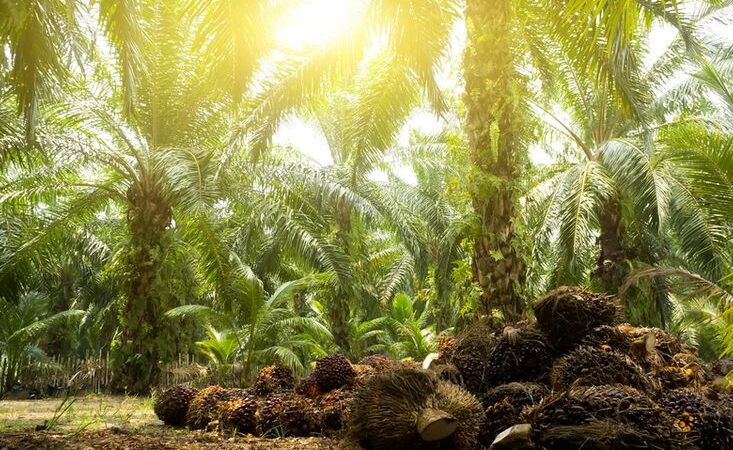
JAKARTA – The certification of oil palm plantations based on sustainability principles in Indonesia consists of the Indonesian Sustainable Palm Oil (ISPO) and Roundtable on Sustainable Palm Oil (RSPO).
Basically, both of the certification systems apply the same principles. The difference is that ISPO is an initiative of the government of Indonesia as a palm oil producer (sustainability supply side certified) and is implemented as a mandatory program for all palm industries from upstream to downstream sectors, while the RSPO is an initiative on behalf of palm oil consumers (sustainability demand side certified) which is voluntary.
ISPO certification on Indonesian palm oil plantations showed an increase during the period 2015-2022 (Figure 7). The area of palm oil plantations that have been ISPO certified increased from 1.17 million hectares to 5.19 million hectares. The volume of ISPO certified palm oil production increased from 4.73 million tons to 21.9 million tons.

The total 5.19 million hectares of Indonesian oil palm plantations that have been ISPO certified are mostly corporate-owned oil palm plantations. Meanwhile, oil palm plantations owned by smallholders that have been ISPO certified are still relatively small.
In addition to ISPO, Indonesian oil palm plantations have also adopted the RSPO certification system since 2008/2009. The area of Indonesian oil palm plantations certified by RSPO increased from 73.7 thousand hectares in 2009 to 1.76 million hectares in 2021. The volume of Indonesian palm oil certified sustainably (CSPO+CSPKO) also increased from 442 thousand tons to 13.9 million tons during the same period (Figure 8).

The description above shows that the certification of sustainable palm oil in Indonesia (ISPO and RSPO) has increased from year to year, both in terms of area and production volume. The growth of sustainability certification reflects that the government and Indonesian oil palm plantation players have a high commitment to realizing increasingly sustainable oil palm plantation development.
________________________________________
Myth 7-12: The above data refutes the myth voiced by certain groups that implementation of sustainability certification of oil palm plantations in Indonesia does not work. (*)