As dawn breaks across India, kitchens hum to life — the clatter of steel plates, the aroma of sizzling spices, the familiar hiss of tempering seeds meeting hot oil. That oil, often labelled simply as vegetable oil, is, in most cases, palm oil.
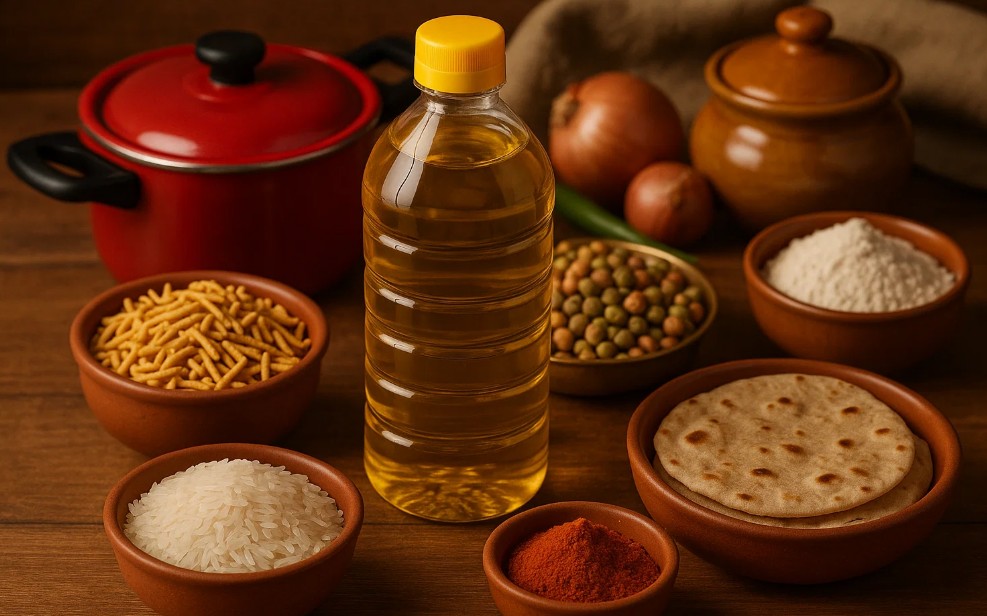
From deep-fried puris on Sunday mornings to the crispy snacks tucked into school tiffin, palm olein cooking oil has quietly earned its place at the centre of Indian kitchens. It delivers the golden crunch, the comfort of taste, and, most importantly, the affordability that keeps family meals within reach.
But the story doesn’t end at the stove. Palm oil reappears throughout the day in subtler forms — in the soap that lathers after a long day, in moisturizers that shield against India’s sun, and in detergents that bring freshness back to clothes. It is, quite literally, the invisible thread that ties together nourishment, care, and comfort across Indian life.
A Scale That Shapes India’s Food Security
Behind this everyday presence lies an economy of immense scale. India consumes around 9 million metric tonnes of palm oil every year, making it the largest component of the country’s edible oil basket, accounting for nearly 38% of total consumption, with India being the second-largest consumer after China. Almost 60% of all edible oils imported into India are palm-based, with Indonesia being the biggest supplier.
Palm oil also features in more than half of India’s packaged foods and personal-care products — from biscuits and noodles to shampoos and soaps. Even amid the price fluctuations of 2024, when edible oil prices rose by nearly 20%, palm oil remained the preferred choice for households and FMCG companies alike, offering stability amid volatility.
This consistency is what makes palm oil central to India’s food equation, making it not just an ingredient but an economic stabilizer.
Why Price Makes Palm Oil a Social Equalizer
In a country where cooking oil prices can tilt household budgets, palm cooking oil price stability provides quiet relief. Retail prices for palm oil today hover around ₹130–145 per kilogram, compared to ₹160–170 for sunflower oil. The difference of a few rupees per litre may seem small, but for millions of families, it is the difference between choice and compromise.
That price advantage also makes palm oil indispensable for small eateries, mid-scale manufacturers, and the unorganized food sector — the everyday economy that feeds India.
While global disruptions have repeatedly impacted soft oils such as sunflower and soybean — particularly during supply crises in Eastern Europe — palm oil suppliers, led by Indonesia, have maintained steady exports and predictable pricing. This reliability has made palm oil both a household essential and a macroeconomic buffer.
Health, Heat, and the Science of Everyday Cooking
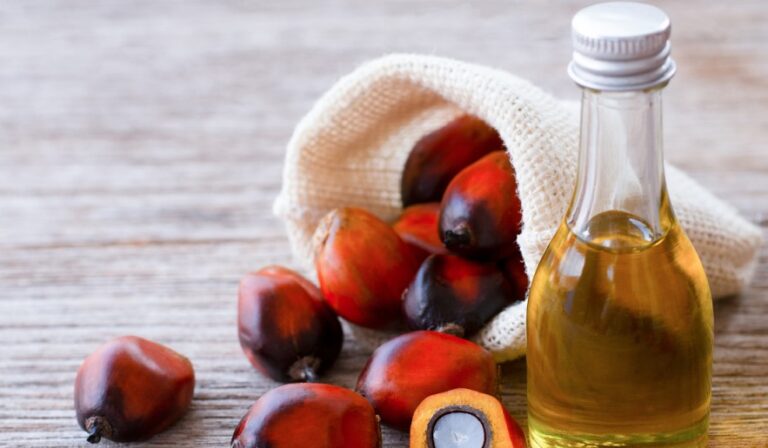
The discussion around the best cooking oil for health is often oversimplified. Palm oil is a vegetable oil, refined into palm olein for safe household use. It is cholesterol-free, rich in Vitamin E tocotrienols, and contains a balanced ratio of saturated and unsaturated fats.
Its greatest advantage, however, lies in its thermal stability. Unlike sunflower oil, which breaks down faster at high heat, refined palm olein retains its structure even during repeated frying cycles — preventing the formation of harmful compounds and preserving the natural taste of food.
In Indian kitchens, where frying and sautéing are integral to everyday cooking, this stability translates into better health, longer shelf life, and greater value. For households that often reuse oil, palm olein’s high smoke point makes it both an economical and practical choice.
From Refinery to Reputation: Building Trust in Every Drop
India’s edible oil sector is among the largest in the world, and refined oil brands in India are increasingly focused on transparency, safety, and nutritional integrity. Modern refining facilities ensure that RBD (Refined, Bleached, and Deodorized) palm olein meets global quality benchmarks.
Several of the best palm oil brands have also committed to responsible sourcing through RSPO (Roundtable on Sustainable Palm Oil) certification — aligning quality with sustainability. By blending palm olein with oils such as rice bran or sunflower, brands are catering to evolving consumer expectations for both nutrition and cost efficiency.
More Yield, Less Land: Palm Oil’s Sustainability Edge
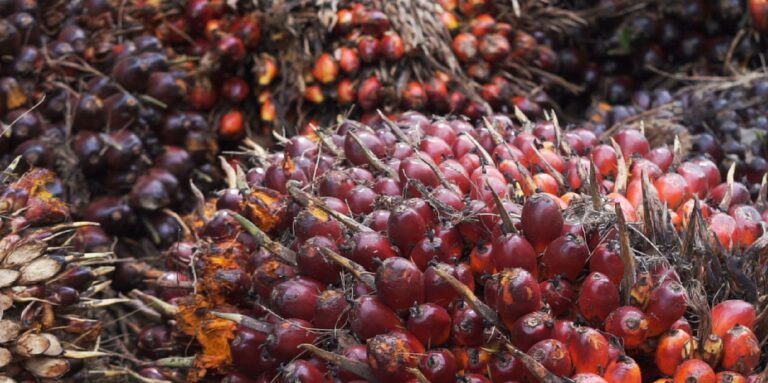
Palm oil’s importance extends beyond kitchens. It’s also a cornerstone of India’s edible oil strategy and a critical link in global trade. As one of the highest-yielding oil crops, oil palm produces up to four times more oil per hectare than sunflower or soybean, requiring less agricultural land and water.
For a country balancing food demand with environmental responsibility, this efficiency matters. Supported by the National Mission on Edible Oils–Oil Palm (NMEO-OP), India aims to expand cultivation from 3.5 lakh hectares to 10 lakh hectares and raise domestic production by 2025–26. The vision: to reduce import dependence while advancing sustainable, traceable supply chains.
A Reflection of Resilience
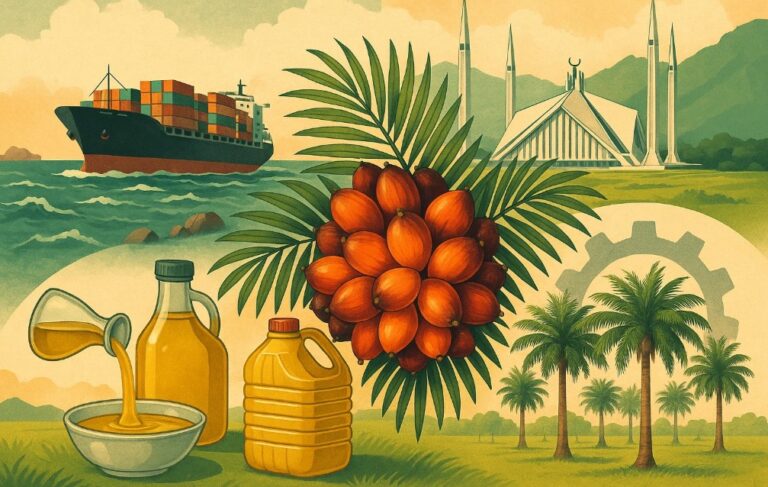
Palm oil’s story mirrors India’s — adaptive, interconnected, and quietly resilient. From plantations in Southeast Asia to refineries in Gujarat and consumers across the heartland, it represents a network of livelihoods built on trust, affordability, and access. Palm oil will continue to be the silent ally that connects household thrift to national resilience, local taste to global trade, and everyday cooking to the larger story of progress.
This is not just another cooking oil. Palm oil is a symbol of balance between health and affordability, global supply and local security, innovation and everyday life. As India continues its journey toward self-reliance and sustainable growth, palm oil stands as both a culinary staple and an economic equalizer. (*)