By Fadhil Hasan, Head of Foreign Affairs Division of Indonesian Palm Oil Association
In Pakistan, food is not merely sustenance but an expression of hospitality, where sharing a meal remains central to social life. The paratha at breakfast, the biryani enjoyed with family and friends, the mithai exchanged at weddings — each carries flavors that define who we are. Behind these everyday joys lies a quiet ingredient that makes them possible: cooking oil.
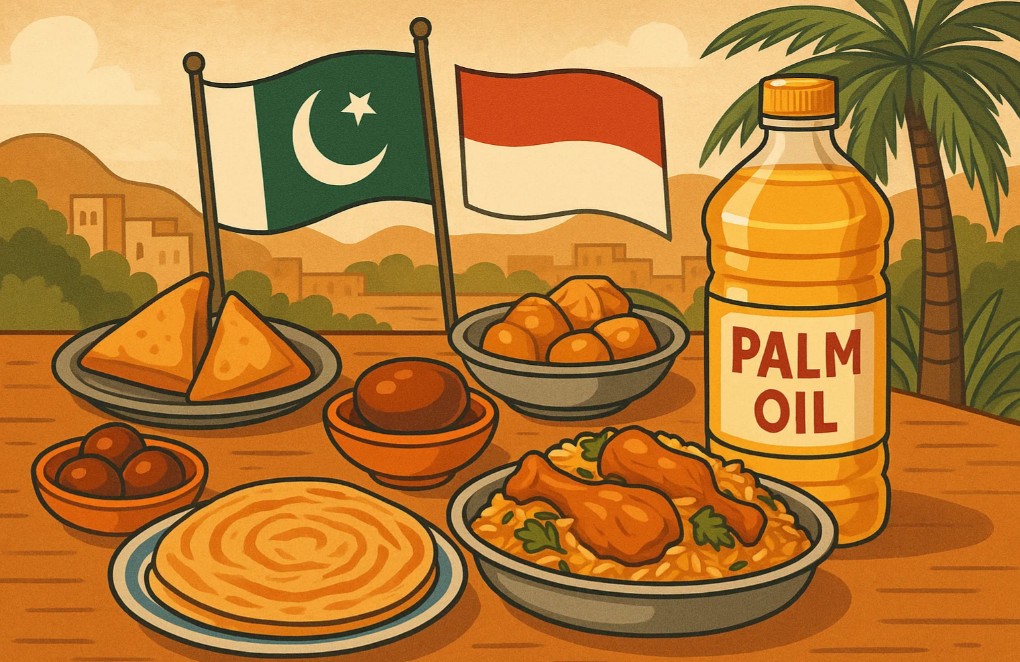
Among the many varieties available, palm oil has become one of the most trusted in Pakistani kitchens. And much of that comes from Indonesia, a country that has stood by Pakistan for decades as a reliable partner in food security.
A Partnership Rooted in Trust
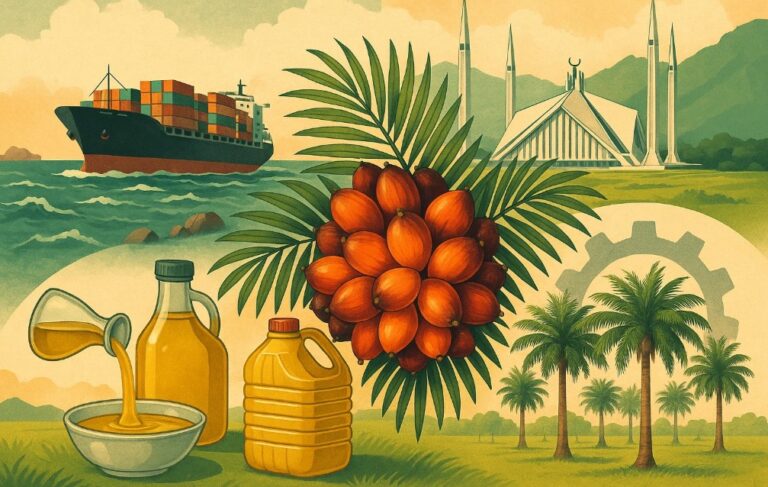
Pakistan’s demand for edible oil has grown steadily with its population, reaching more than 3 million tonnes annually. Yet local production meets barely 10% of this need. The rest is imported, and Indonesia plays the leading role in filling the gap. Today, it supplies about 75% of Pakistan’s palm oil imports, making it our most important partner in this essential sector.
This steady supply ensures that everyday cooking remains affordable for families and businesses alike. Without it, the cost of ghee, snacks, and bakery products would rise dramatically, making basic foods harder to afford. For Pakistan, Indonesian palm oil is more than an import. It is a foundation of stability at the dining table.
In Every Household and Every Bite
Palm oil’s presence extends far beyond kitchen shelves. It gives crispness to samosas from a street cart in Karachi, richness to halwa at a family gathering, and consistency to biscuits in a child’s tiffin box. Food manufacturers rely on it for ghee, margarine, noodles, confectionery, and baked goods — items that touch millions of lives each day.
Its popularity stems from practicality. Palm oil performs well at high heat, making it ideal for deep-frying, and it remains cost-effective — a balance that matters to households managing tight budgets as well as to businesses catering to millions of customers.
Nutrition with Balance
Affordability alone wouldn’t make palm oil essential if it weren’t also safe and nutritious when used responsibly. Research shows that palm oil is naturally cholesterol-free and contains valuable compounds such as vitamin E (tocopherols and tocotrienols) and beta-carotene, a source of vitamin A. These act as antioxidants, supporting long-term health.
Another strength is its stability. Unlike some oils that degrade quickly under heat, palm oil maintains its structure during frying, which makes it a safer choice for traditional Pakistani cooking styles that depend on high-heat frying. For a culture where fried food is central — from jalebi and samosas to fried fish — this makes it a dependable option. Doctors and nutritionists agree that moderation is key, but within a balanced diet, palm oil offers both nourishment and safety.
An Efficient Crop with Global Impact
Palm oil’s significance goes beyond kitchens. It is the world’s most efficient oil crop, yielding up to ten times more oil per hectare than alternatives like sunflower or soybean. This efficiency means more output with less land — a critical factor in keeping global supplies stable and prices affordable.
For Pakistan, this translates directly into access. By relying on palm oil, we benefit from a product that feeds billions worldwide while keeping costs within reach for our own people.
Looking Toward Shared Opportunities
What makes the Indonesia–Pakistan connection especially promising is that it looks to the future. Beyond trade, both countries are exploring collaboration in research and cultivation. Pilot projects in Sindh and Balochistan, supported by Indonesian expertise, are testing whether oil palms can thrive locally. Success would mean not just lower import dependence, but also new opportunities for farmers and industries within Pakistan.
Indonesia has even invited Pakistan to join the Council of Palm Oil Producing Countries, signaling trust and long-term partnership. For Pakistan, this means dependable access to cooking oil despite global disruptions. For Indonesia, it means a stable export market and closer ties with a key partner in South Asia. The relationship is not transactional—it’s strategic. This spirit of cooperation shows that the partnership is not only about buying and selling, but about building resilience together.
A Quiet Partner in Our Daily Lives
When we sit down to a family meal, few of us think about the journey of the oil in our food, yet Indonesian palm oil is there in every household, supporting the flavors we hold dear. This quiet partner in Pakistani life ensures that every bite—from home-cooked meals to street snacks and baked goods—remains consistent, affordable, and reliable. Its presence goes beyond convenience; it underpins the everyday rhythms of Pakistani kitchens, enabling culinary traditions to thrive across generations, while providing food manufacturers and small businesses the stability and performance needed to meet growing demand without compromising quality.
As our two nations continue to work side by side, palm oil is set to remain not just an import, but an enduring part of our shared future. It is more than a commodity; it is a symbol of trust, resilience, and the quiet yet vital ways international cooperation enriches everyday life. Indonesian palm oil has quietly become woven into the fabric of Pakistani kitchens, supporting both the flavors we cherish and the partnerships that sustain them, today and for years to come. (*)