We live in a world that measures wellness in numbers: 10,000 steps a day, 3 liters of water, 8 hours of sleep, and 1 tablespoon of oil if it is the “right” one. From fitness trackers to nutrition apps, we have turned healthy living into a lifestyle statement.
But the truth is simpler. Real wellness does not begin at the gym or the juice bar. It begins in the kitchen; in the ingredients we use every single day. Of all those, cooking oil plays one of the most underestimated roles in shaping our health.
Walk down any supermarket aisle and you will see dozens of bottles promising miracles — heart health, zero cholesterol, low absorb, cold-pressed purity. Amid that marketing noise, one oil quietly powers millions of homes, restaurants, and packaged foods across India: palm oil, especially palm olein cooking oil. Often overlooked, it might just be one of the best cooking oils for health, balancing nutrition, affordability, and accessibility in a way few others can.
Discovering the Nutrition Story Few Talk About
Palm oil has long been part of India’s food ecosystem. What is changing now is how we understand it. For years, people associated palm oil with industrial-scale cooking or deep-fried foods. Nutrition science, however, paints a more nuanced picture.
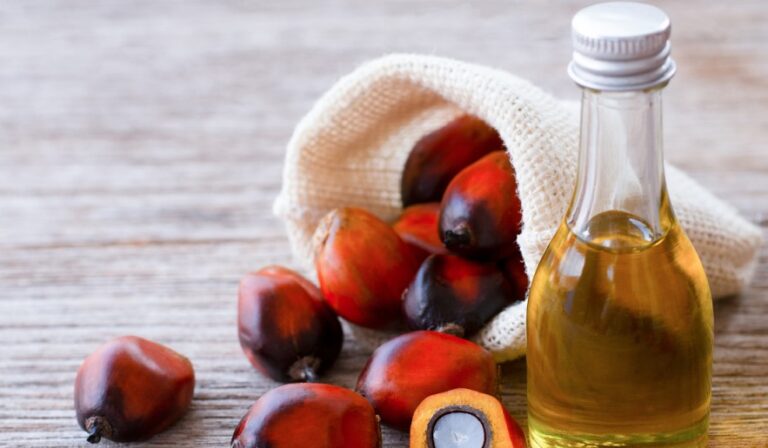
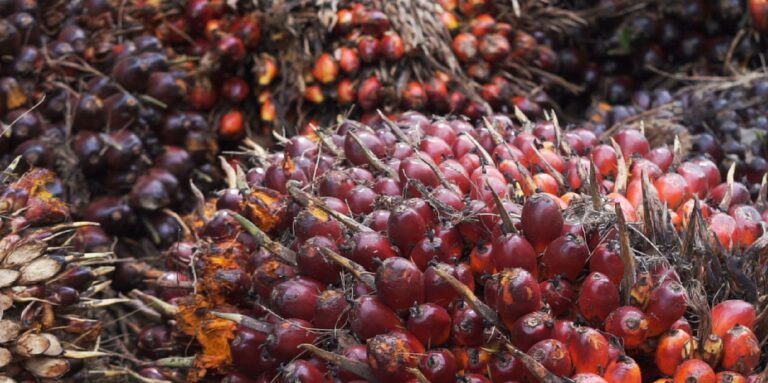
Derived from the flesh of the oil palm fruit, palm oil is a natural vegetable oil. It is neither synthetic nor chemically extracted. It is rich in beta-carotene (a precursor of Vitamin A) and tocotrienols (a form of Vitamin E), both powerful antioxidants that protect the body from free radicals and support healthy vision and immunity. In fact, palm oil contains nearly 15 times more beta-carotene than carrots per gram, making it one of nature’s richest plant-based sources of Vitamin A precursors.
Its fatty acid composition—roughly 50 percent saturated and 50 percent unsaturated, gives it a balance few other oils can achieve. Unlike purely saturated fats such as butter or purely unsaturated ones such as olive oil, palm oil provides both stability and nutrition.
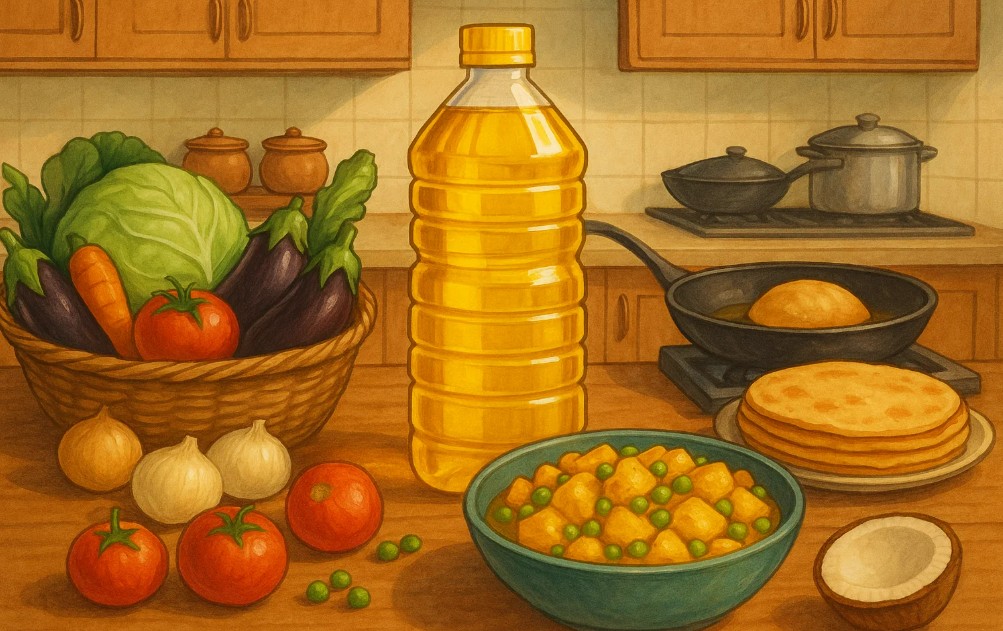
Here is a myth worth clearing: palm oil is not bad for you. Advisory guidelines by the Indian Council of Medical Research (ICMR) also affirm that palm oil is safe and nutritious when consumed in moderation. Its natural oxidative stability also means fewer harmful compounds form during deep frying, a practice common in Indian households.
While newer refined oil brands in India often repackage wellness with imported ingredients, palm oil continues to deliver steady, science-backed nutrition without pretension.
Balancing Health Goals Without Breaking the Bank
There is an uncomfortable truth in the wellness world: health often feels like a luxury. From cold-pressed juices to chia seeds and almond flour, eating “clean” can come with a hefty price tag. Oils follow the same pattern. Olive oil, avocado oil, and rice bran oil are marketed as “premium” and often cost several times more than regular cooking oils.
But fitness and good food should not be privileges. That is where palm oil steps in. It is the quiet equalizer in India’s edible oil market. Thanks to large-scale cultivation and efficient processing, the palm cooking oil price remains among the most affordable options. According to the Solvent Extractors’ Association (SEA) of India, the average price of palm olein in 2025 was 3–8 percent lower than sunflower and soybean oils, giving it a cost advantage that directly benefits consumers.
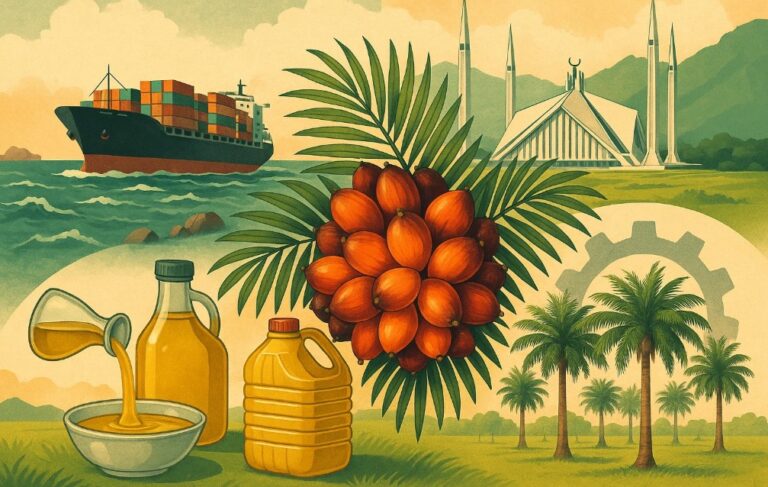
In fact, India consumes around 25 million tonnes of edible oil each year, according to the Department of Food and Public Distribution. Palm oil alone makes up nearly 57 percent of total edible oil imports. This availability helps stabilize retail prices and household budgets, especially during international crises such as the Ukraine conflict or supply shocks in South America.
Hence, healthy living does not need to be expensive. It simply needs to be informed, and palm oil makes that possible.
Bringing Everyday Nutrition Within Everyone’s Reach
Another reason palm oil continues to dominate is its accessibility. It is not only affordable, but also easy to find. From metropolitan supermarkets to small-town kirana stores, it is available in bottles, pouches, and bulk containers.
This widespread availability is the result of one of the most efficient edible oil supply chains in the world. For consumers, that translates into choice and convenience. Whether stocking up for a family or buying a compact pack for daily use, there is always a palm oil option that fits.
With e-commerce now reshaping grocery shopping, buying palm oil online has never been easier. Consumers can check palm cooking oil prices, compare quality, and choose trusted sellers with verified reviews. The palm oil online purchase options on major retail platforms ensure access to authentic, high-quality oils without middlemen.
Palm oil’s real strength is not just in cost. It lies in availability, consistency, and reliability. It ensures that nutrient-rich cooking oil remains accessible to every Indian household, not just a select few.
Redefining Health for the Way We Really Live
Perhaps it is time to rethink what “healthy” truly means. It is not always cold-pressed or imported. It is not always expensive or complicated. Sometimes, it is the oil that has been quietly nourishing millions: steady, balanced, and practical.
True health is not about following trends. It is about finding balance, between nutrients and affordability, between aspiration and accessibility. In that balance, palm olein cooking oil finds its rightful place.
The best cooking oil for health is not the one with the fanciest label. It is the one that keeps your body nourished, respects your budget, and supports your everyday lifestyle. Palm oil proves that wellness can be inclusive, nutritional, and sustainable, one spoonful at a time.